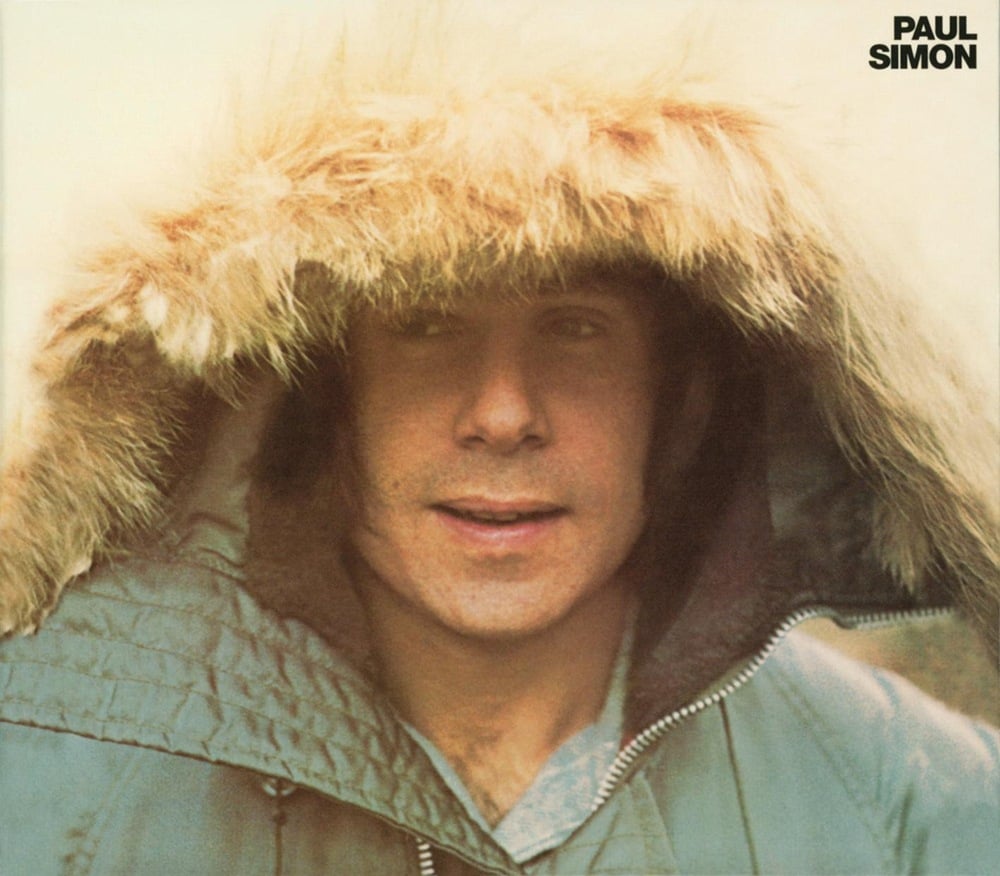
Josh Rouse has long understood how much a conversational voice can carry. His songs make room for complicated feelings without demanding a dramatic delivery. On Museums and Women, this approach suits a collection concerned with passing encounters and the search for connection. A useful predecessor is Paul Simon’s self-titled 1972 album, where intimate songwriting became more rhythmically adventurous without losing its everyday scale. The connection is a shared approach, rather than a claim of direct influence.
Miko Marks – Hell Or High Water
Life is a journey, without a doubt. For Flint, Michigan, born-and-raised Miko Marks, the musical part of her journey started as a child. Raised by her mother and grandmother in a community evolved out of the migration of Black farmworkers from the south to the factory jobs in the north, Marks listened and was a […]
Now & Then: Lyal Strickland’s Shooter of Truth and the reach of Bruised Orange
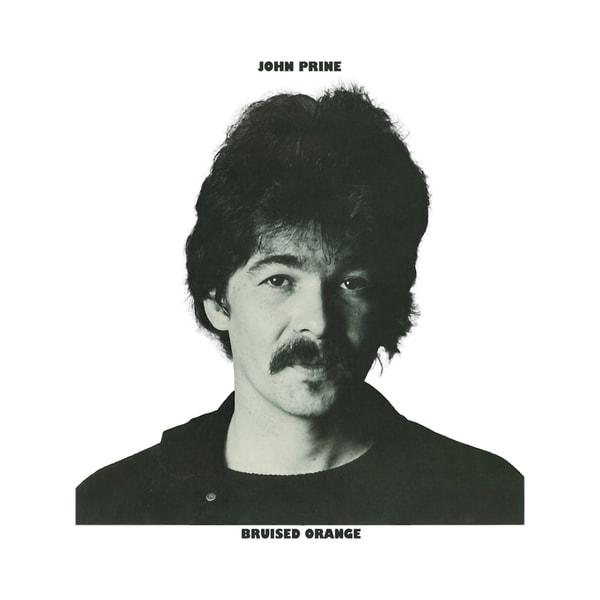
There’s a particular kind of country-folk songwriting that lets embarrassment survive the editing process. The narrator can admit he’s wrong, find something funny in the admission, and still have to live with the consequences. Lyal Strickland’s Shooter of Truth belongs in that tradition. John Prine’s Bruised Orange makes a useful companion: an earlier example of how conversational songwriting can accommodate hard experience without becoming solemn about every minute of it.
Abby Posner – Rest And Rise
More than a few records have come together owing to the catharsis of writing about a broken relationship. LA’s Abby Posner raised that whole concept up a notch with her new album Rest And Rise. Taking an idea from a podcast about the 3 stages of grief, Posner organized the tracks like a vinyl release. […]
Charlie Parr – Rooming House
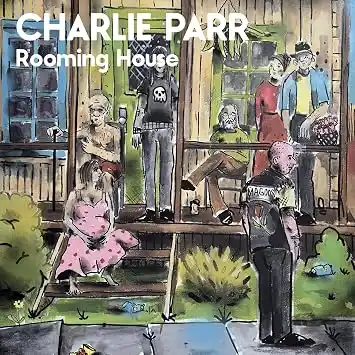
Charlie Parr is a signature folk (and blues) musician, typical of many who have risen up in the Minneapolis folks scene. Parr’s music is simple, straight forward, and tells a story worth telling. A longtime fixture in the Twin Cities music scene, Parr counts “Spider” John Koerner (1938-2024) among his influences. Koerner, along with Dave […]
Max Hightower – The Blues Chooses You
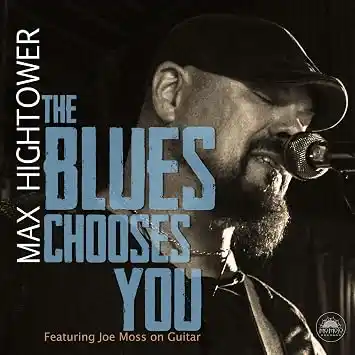
Max Hightower likes a good rhythm section. Hightower is a harmonica ace who captures a primal sound that echoes decades of gruff, growling bluesmen that probably started with Howlin’ Wolf. Hightower, who hails from South Carolina, says he’s been enthralled with the Blues since he heard a Muddy Waters cassette when he was 12. By […]
Now & Then: Margo Cilker’s Little White Cross and the reach of The Last of the True Believers
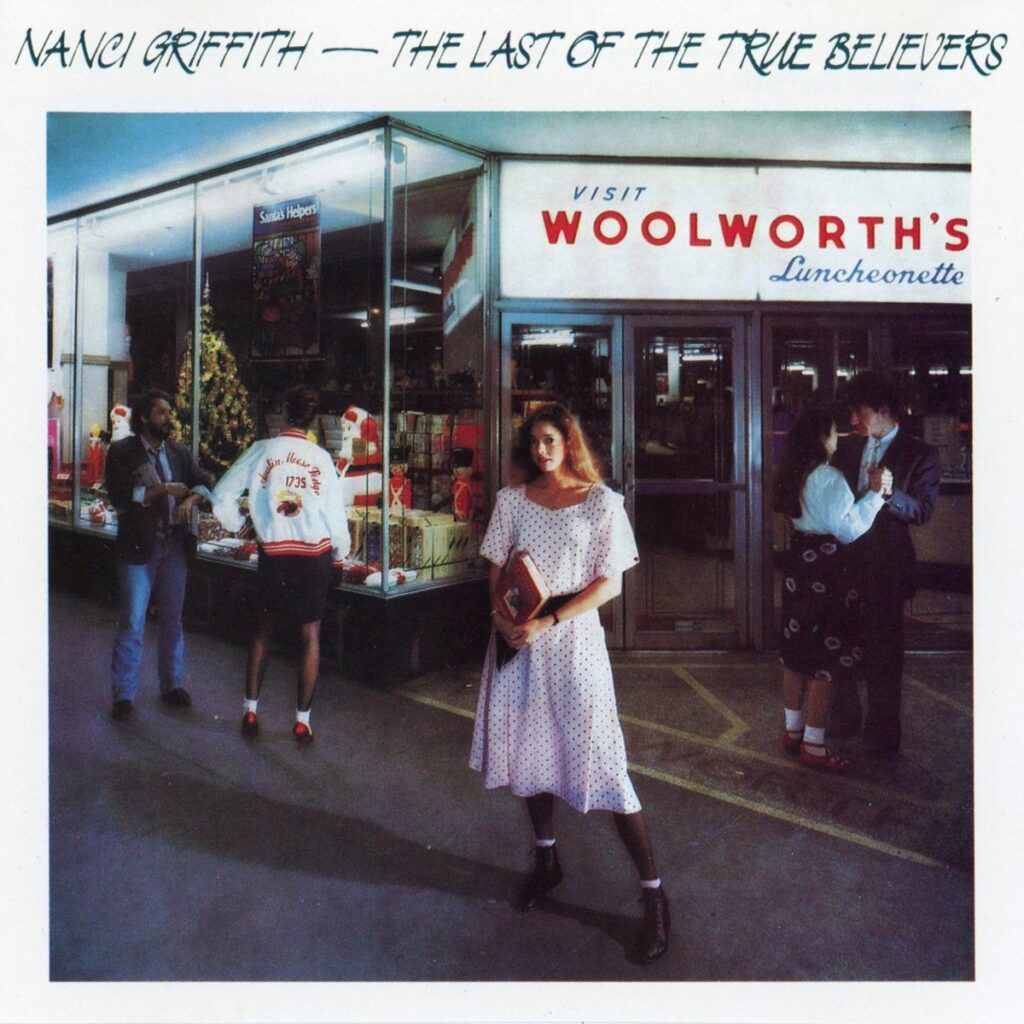
The strongest connection between Margo Cilker and Nanci Griffith is their attention to people whose lives rarely become the subject of a song. Work brings their characters together; circumstances test how long those connections last. On Little White Cross, Cilker approaches that tradition with a particularly sobering view of American life. Griffith’s The Last of the True Believers offers a useful predecessor, showing how country arrangements and closely observed stories can give ordinary lives lasting significance.
Now & Then: The Suitcase Junket’s To Go On and the reach of Bone Machine
Matt Lorenz’s homemade instruments make The Suitcase Junket easy to recognize. His songwriting gives you a reason to stay. On To Go On, written following the death of his sister and longtime musical collaborator, Kate Lorenz, that distinction matters. Tom Waits’s Bone Machine offers a useful predecessor: a record whose unconventional roots arrangements make room for mortality and tenderness alike. Lorenz’s stated affection for Waits makes the connection more than a critic’s convenient pairing.
Prinz Grizzley Premiere – A Rose On Garbage Hill (The Daughter)
Chris Comper, like many of us in our youth, wanted to be a rock star. The Austrian native paid his dues, living in a tent for months trying to get gigs in England, moving back to Austria and then back to London before finally finding success with his band, Golden Reef. The thing is, once […]
Now & Then: Ian Noe’s Canyon Falls Trailer Band and the reach of Grievous Angel
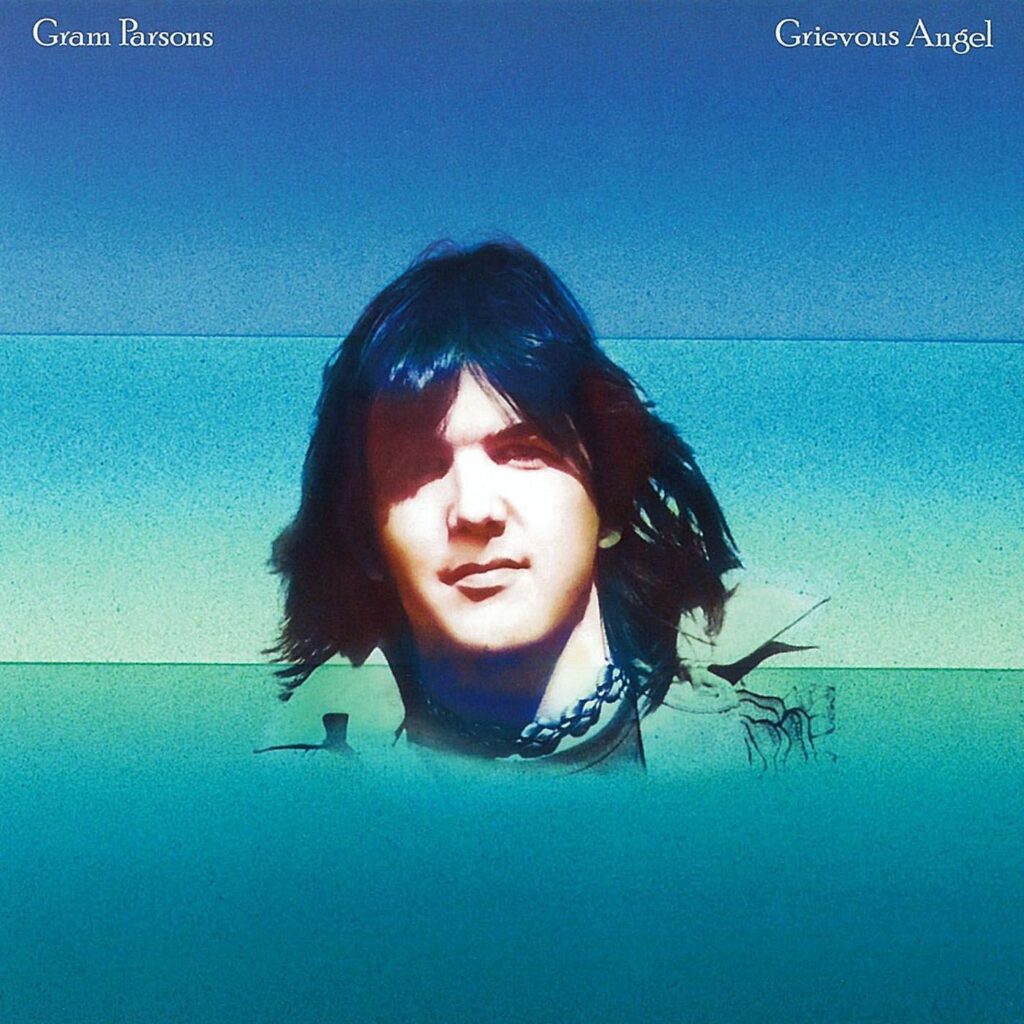
Country music has always had room for musicians whose ambitions exceed their prospects. Ian Noe gives those musicians a whole album on Canyon Falls Trailer Band, imagining a group taking its shot at a Nashville showcase. Gram Parsons makes a fitting companion: an artist whose attachment to traditional country helped expand what younger songwriters could do with it. The connection becomes especially clear when Noe introduces some interstellar visitors with country music on their minds.