
Josh Rouse has long understood how much a conversational voice can carry. His songs make room for complicated feelings without demanding a dramatic delivery. On Museums and Women, this approach suits a collection concerned with passing encounters and the search for connection. A useful predecessor is Paul Simon’s self-titled 1972 album, where intimate songwriting became more rhythmically adventurous without losing its everyday scale. The connection is a shared approach, rather than a claim of direct influence.
Now

Released October 23, Museums and Women reunites Rouse with producer Brad Jones for most of its ten songs, with two recordings produced by Rouse in Valencia. The Nashville sessions began with live performances and quick overdubs. “Spring” provides the jangling introduction, while “Sunday in the Country” takes a bossa nova direction. The credits reveal considerable detail within these modestly sized songs: Rhodes and vibraphone color “January Sky,” while “Red Apple Road” includes strings played by Chris Carmichael. The arrangements give Rouse’s familiar folk-pop vocabulary room to expand.
Then
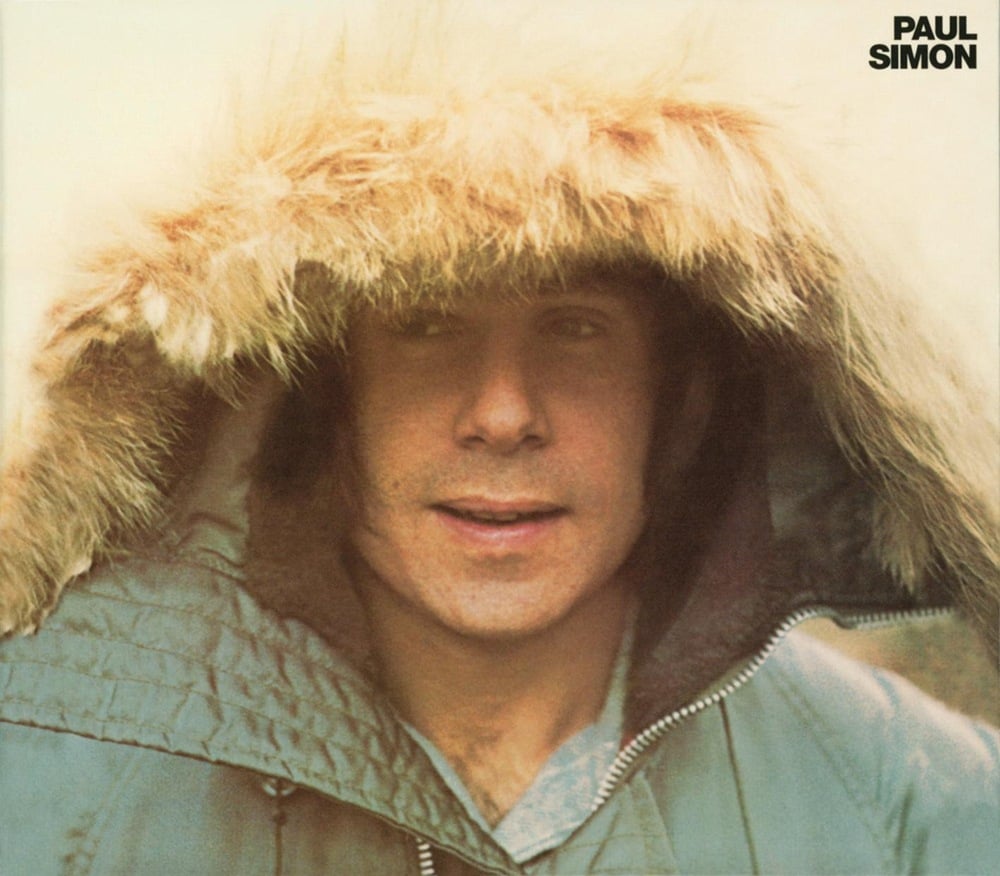
On Paul Simon, the singer approached his post-Garfunkel career with curiosity and a noticeably informal manner. “Duncan” follows an inexperienced traveler through poverty and an unexpected romantic education. “Papa Hobo” places its restless narrator in Detroit, counting tips and considering an escape. These people have specific circumstances and imperfect judgment. Simon lets humor emerge from their situations, keeping the writing sympathetic even when the details are funny. His understated delivery gives their stories the intimacy of something overheard.
Parallels
The strongest connection is the combination of character writing and musical ease. Rouse’s wandering figures belong to the same broad songwriting tradition as Simon’s Duncan: people whose encounters offer enough material for a song without requiring a grand revelation. Both approaches invite the listener closer. The rhythmic variety matters, too. Rouse’s bossa nova turn and Simon’s willingness to move beyond acoustic folk suggest how a songwriter can broaden a record while keeping a recognizable voice at its center.
Breaks
Simon’s record allows more unease into the conversation. “Run That Body Down” turns a doctor’s warning into an uncomfortable exchange at home, with concern shading into mutual accusation. Rouse’s album presents a more hopeful outlook, with romance providing its central thread. This makes the comparison useful without making the records interchangeable. Simon’s conversational manner can expose friction; Rouse’s gentler perspective gives his characters more room to keep looking.
Liner Notes
Start with Rouse’s “Spring,” then move to Simon’s “Duncan.” Follow the shift from an inviting musical surface toward the people inside the songs. These records offer a good reminder that understated songwriting still requires precision. A relaxed performance can make careful construction easy to overlook. The pleasure comes from returning and discovering how much attention went into making the introduction feel so natural.
 About the author: Gainesville, FL area creative by day. Music is my muse. I host Twangville’s weekly Readers‘ Pick.