
There’s a particular kind of country-folk songwriting that lets embarrassment survive the editing process. The narrator can admit he’s wrong, find something funny in the admission, and still have to live with the consequences. Lyal Strickland’s Shooter of Truth belongs in that tradition. John Prine’s Bruised Orange makes a useful companion: an earlier example of how conversational songwriting can accommodate hard experience without becoming solemn about every minute of it.
Now
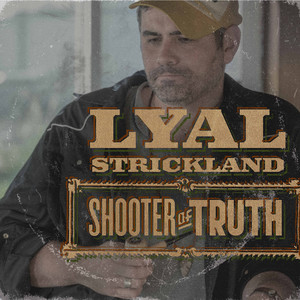
Released October 16, Shooter of Truth ends a decade between Strickland’s full-length studio albums. The Missouri songwriter spent those years raising a family and working his cattle farm, while struggling to reconnect with his writing. His breakthrough involved allowing himself to write material he had previously censored. That gives the title song its significance: honesty begins with the person delivering it. Across the record, solo acoustic performances share space with fuller arrangements, while Rachel Laven joins “Birds” to give its account of life on the road another voice.
Then
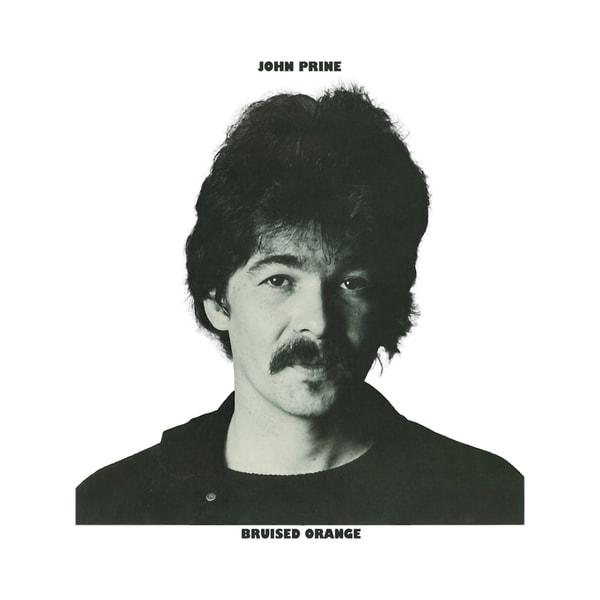
On 1978’s Bruised Orange, Prine found an especially effective setting for his conversational delivery, with Steve Goodman producing. “Fish and Whistle” makes forgiveness sound like something ordinary people might actually practice. “That’s the Way That the World Goes ’Round” allows absurdity and trouble to occupy the same song. The title track goes considerably deeper into grief, considering how anger can become a permanent condition. Prine’s plain language gives those shifts room to happen without announcing a change in seriousness.
Parallels
The strongest connection is the willingness to leave the storyteller exposed. Strickland’s “I’m Still Poor,” concerned with the cost of pursuing music, makes a useful pairing with “Fish and Whistle”: both bring questions of work and getting by down to human scale. Prine helped establish how much emotional weight this approachable country-folk language could carry. Strickland works within that inheritance, writing about artistic commitment from the position of someone whose responsibilities continue after the show ends. The comparison concerns a songwriting tradition, rather than a claim of direct influence.
Breaks
Prine often creates distance through an unlikely character or a comic situation. Strickland’s account of making this album points toward more immediate self-disclosure: he had to stop anticipating how his family might react before the songs reached the page. That difference matters. Prine’s listener frequently discovers the hurt beneath the joke; Strickland’s premise puts the difficult admission closer to the foreground. His return to recording carries the additional tension of finding space for music inside an established family life.
Liner Notes
Start with “Shooter of Truth,” then turn to “Bruised Orange (Chain of Sorrow).” Follow with “I’m Still Poor” and “Fish and Whistle” for the less ceremonious side of the comparison. Together, these records suggest that plainspoken songwriting earns its authority through what the writer is willing to acknowledge. A little humor helps. So does leaving yourself out of the hero’s role.
 About the author: Gainesville, FL area creative by day. Music is my muse. I host Twangville’s weekly Readers‘ Pick.