Country music has spent decades documenting what happens when men go drinking. Kaitlin Butts gives the women more say in how the evening unfolds. On Hello, Honky Tonk, a good time can mean freedom, though heartache still gets through the door. An illuminating predecessor is Loretta Lynn’s Don’t Come Home a Drinkin’ (With Lovin’ on Your Mind): country music with a woman firmly in charge of the conversation.
Now
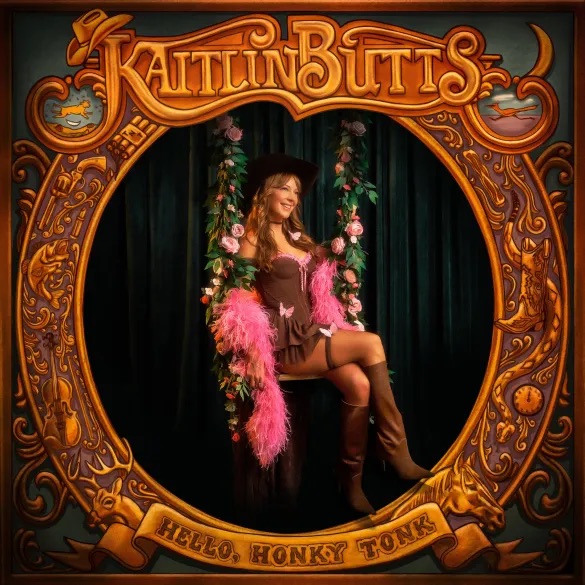
Released October 30, Hello, Honky Tonk organizes its 14 tracks around Katie B’s, a fictional bar with enough regulars to sustain several evenings of questionable decisions. Producer Tofer Brown supplies a setting rich in fiddle and pedal steel. “I Wanna Be Bad,” written with Natalie Hemby, introduces a woman ready to stop behaving herself, while “The Bartender” shifts attention to the person working through everyone else’s night off. The premise gives Butts room to move between character sketches and personal stakes.
Then
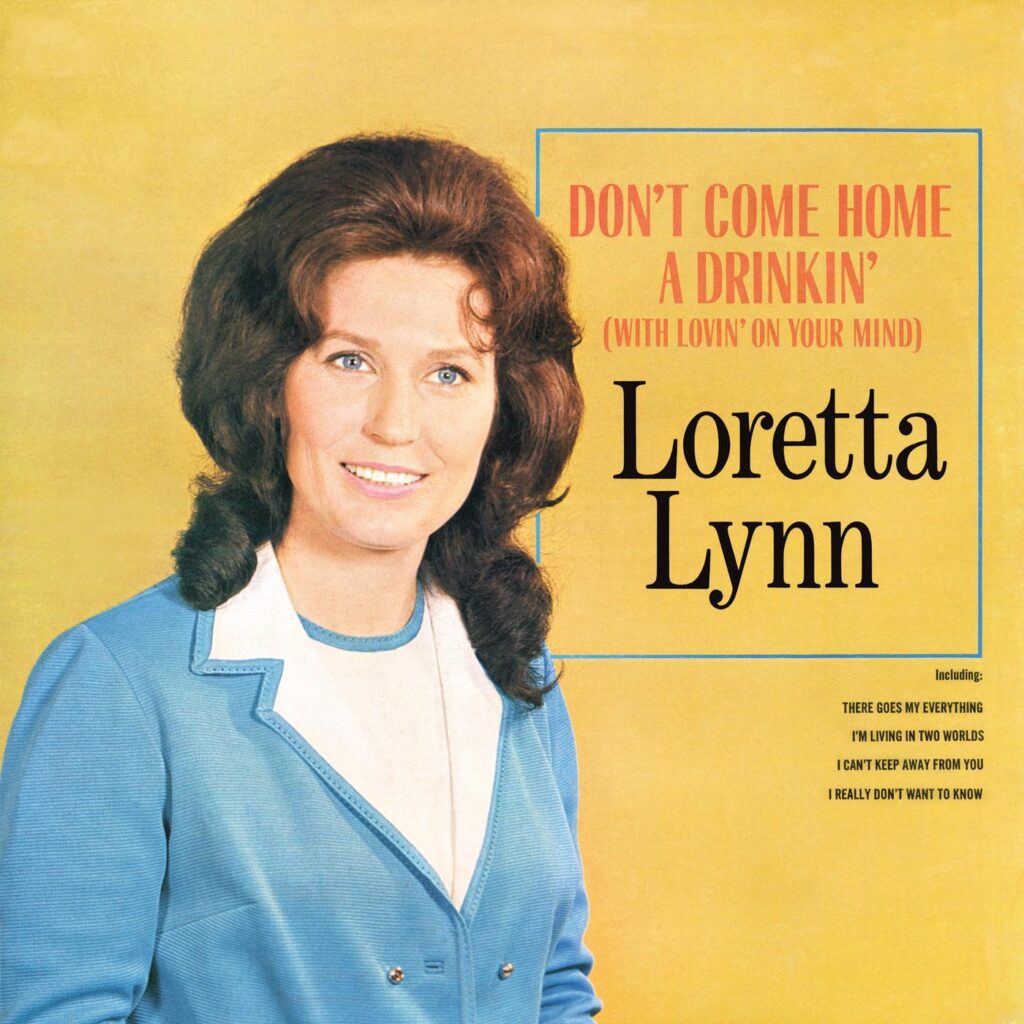
Lynn’s 1967 album makes its position clear immediately. The title song refuses a drunken husband’s advances with plainspoken authority and a tune built to stick. Produced by Owen Bradley, the record also accommodates the exposed hurt of “There Goes My Everything” and the retaliatory promise of “The Shoe Goes on the Other Foot Tonight.” Lynn could sound wounded without surrendering her judgment. That combination gives the album more emotional range than its famous opening warning might suggest.
Parallels
The strongest connection is the freedom each singer allows her female characters. They can want affection and lose patience with the person offering it. Lynn’s title track establishes a boundary; Butts’s “I Wanna Be Bad” claims permission. Those are different demands, but both place a woman’s desires at the center of a country song. Humor helps make the argument memorable. Neither requires solemn delivery to make a serious point about who gets to decide what happens next.
Breaks
Lynn’s title song considers nightlife from the home where its consequences arrive. Butts builds her album inside the bar, broadening the perspective to include its workers and entertainers. “Everybody Wanna Sing a Country Song” recognizes the musicians keeping the evening moving, and the closing “Midnight, I’ll Always Be Yours” gives the revelry a tender landing. Her theatrical framing makes the room itself part of the storytelling, where Lynn’s album works through separate, compact situations.
Liner Notes
Play Lynn’s title track before Butts’s “I Wanna Be Bad.” The useful connection is a tradition of women saying exactly what they want, with enough personality to make the declaration entertaining. Then stay for the slower songs. Defiance attracts attention on both records, but vulnerability gives that confidence something to protect. Butts’s honky-tonk has room for both.
 About the author: Gainesville, FL area creative by day. Music is my muse. I host Twangville’s weekly Readers‘ Pick.