
Joshua Ray Walker’s Ain’t Dead Yet and Steve Earle’s Guitar Town are separated by four decades, but they share a clear country music lineage. Both albums come from writers who use traditional country materials without treating them as fixed rules. Earle’s 1986 debut helped open space for country records with tougher guitars, direct storytelling, and singer-songwriter focus. Walker’s new album works in that same lane, with a more personal and present-tense sense of survival.
Now
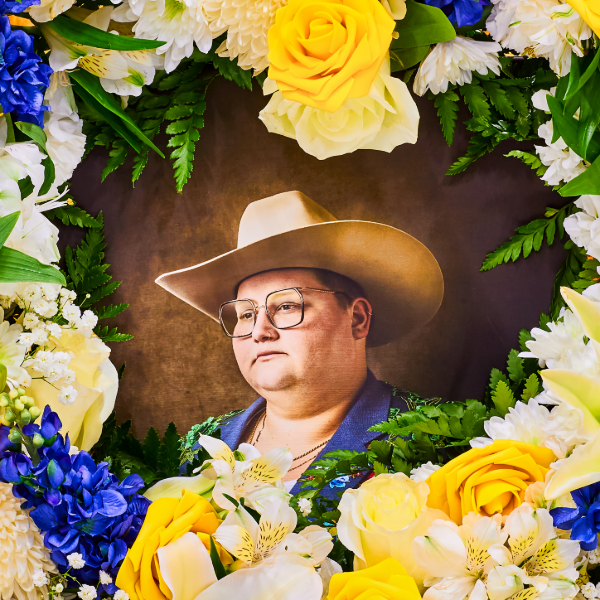
Ain’t Dead Yet is built around Walker’s experience with illness, recovery, and the emotional strain that follows. The songs are not presented as diary entries, though. They move like band songs, with country instrumentation, a sturdy rhythm section, and Walker’s high, elastic voice leading the charge. The title track puts the central subject in plain view, while songs like “Shoot Me Straight” keep the album from becoming too careful or somber. Walker sounds vulnerable, but he also sounds determined to keep the record lively.
Then
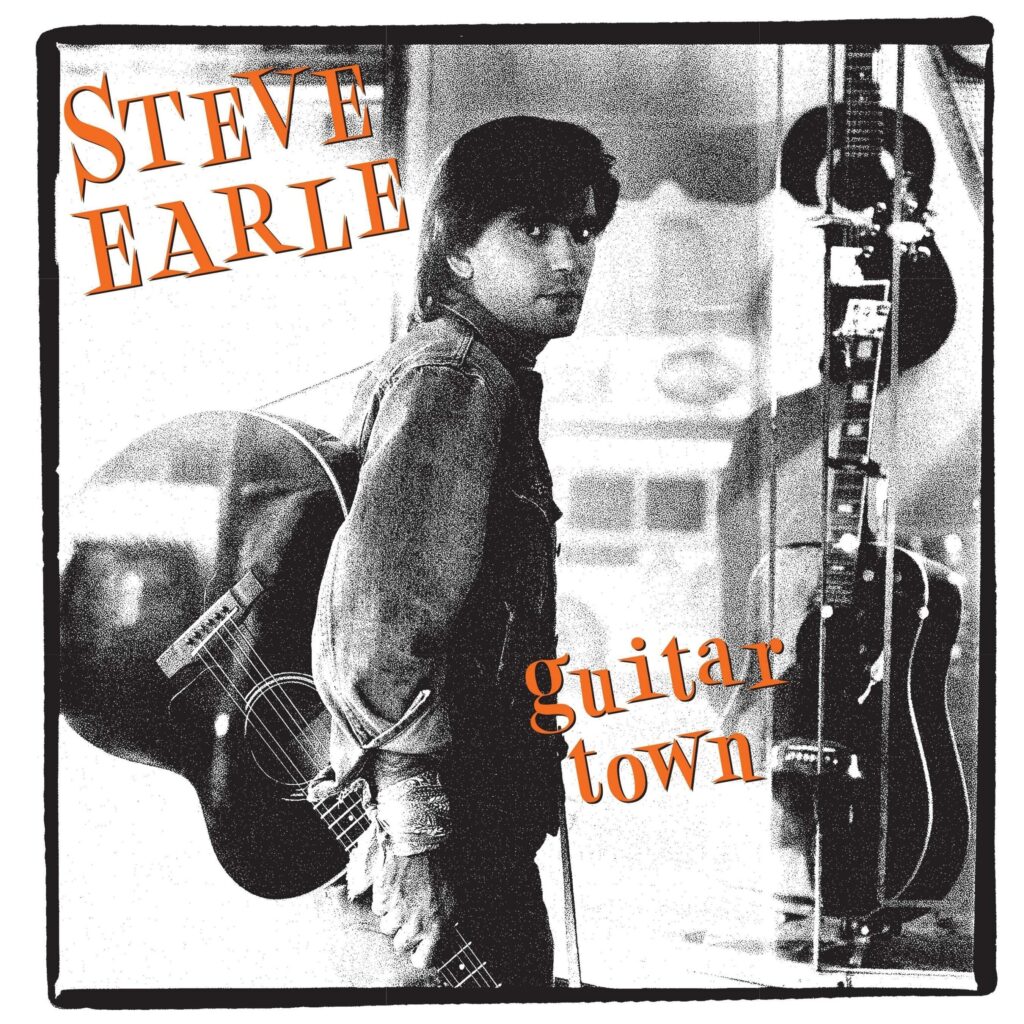
Steve Earle’s Guitar Town arrived in 1986 with a similar resistance to country polish. It was rooted in Nashville craft, but it had more road dust and guitar bite than much of what surrounded it on country radio. Songs like “Guitar Town,” “Someday,” and “Hillbilly Highway” focused on working people, motion, ambition, and disappointment. Earle’s writing was compact and specific, and his vocal delivery gave the songs a lived-in authority. The album helped define a tougher, songwriter-driven strain of modern country.
Parallels
The main connection is how both albums combine country tradition with plainspoken urgency. Earle used the road, the job, and the small town as recurring frames for characters who wanted more than they had. Walker writes from a different life stage, but his songs also focus on pressure, endurance, and the need to keep moving. Both records favor strong melodies without sanding away the rougher edges. They also put the singer’s personality at the center and the reason the songs have depth.
Breaks
The difference is in the source of tension. Guitar Town is mostly about restlessness, work, and escape. Its energy comes from looking outward. Ain’t Dead Yet is more internal. Walker is writing after a serious personal crisis, so the stakes are closer to the body and the home. Earle’s record helped bring rock energy into country songwriting. Walker’s album does not need to prove that point. It uses the tools already available to make a record about mortality that still has humor, swing, and grit.
Liner Notes
The comparison is useful because Guitar Town helped create room for records like Ain’t Dead Yet: country albums driven by strong writing, full-band energy, and singers who do not hide the wear in their voices. Walker is not imitating Earle. He is working downstream from a tradition that Earle helped modernize. Ain’t Dead Yet takes that lineage and applies it to a different subject, turning survival into country music that is direct, tuneful, and tougher than it first lets on.
 About the author: Gainesville, FL area creative by day. Music is my muse. I host Twangville’s weekly Readers‘ Pick.