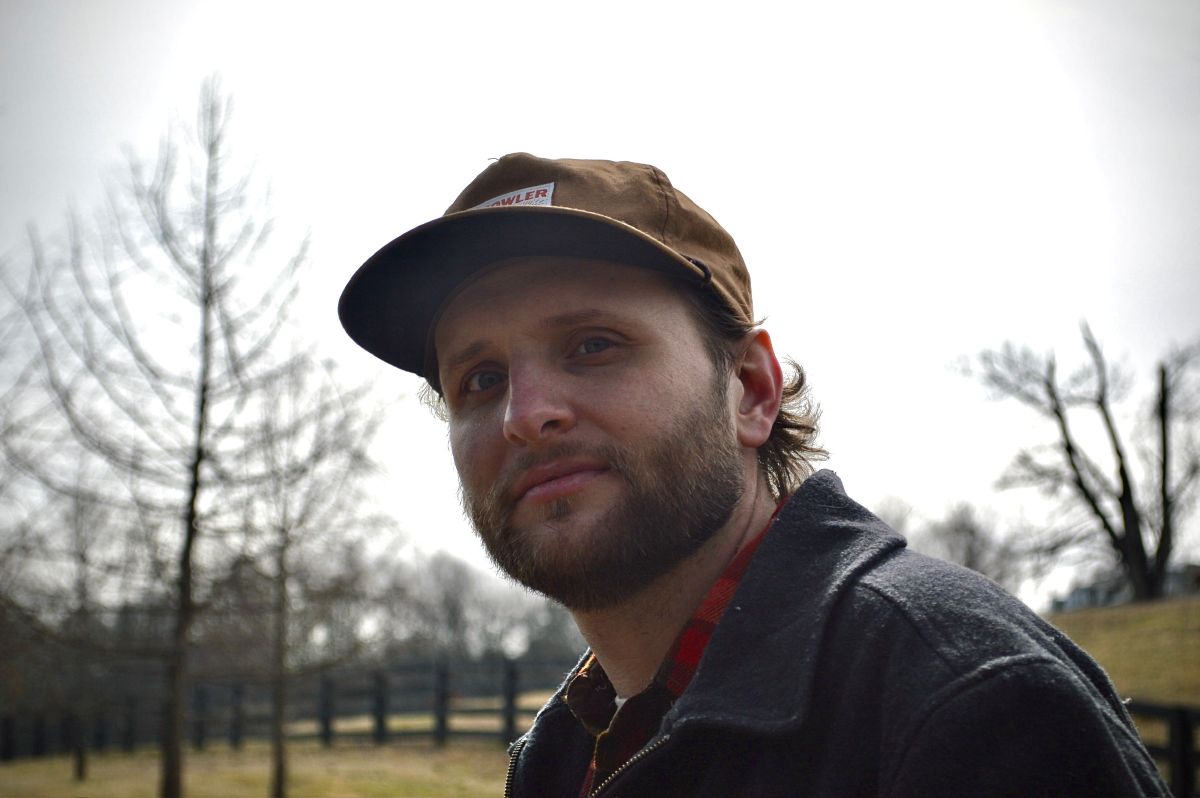
Photo credit Sabrina Burnette
Tell us about your tour vehicle. Any notable breakdown stories?
I tour in a 2001 GMC Savana Van with around 220,000 miles on it. Her name is “Nightshade,” inspired by her mysterious dark green color. With that many miles, she has definitely given me a few stories. The most memorable was breaking down on I 65 South in Kentucky in the middle of the night when a tie rod disconnected, causing the front wheel to lose alignment and making the van impossible to drive safely. We had to call for a tow, spend the night in a motel, and eventually face a $1,600 repair bill.
How do you eat cheaply and/or healthy while on tour?
My luxury road food is Texas Roadhouse. In my opinion, it is the best and cheapest steak you can find on the road. Beyond that, eating healthy and cheaply on tour is mostly about working with what is available. Chick fil A is usually a reliable option, and a lot of times we eat whatever food the venue provides. I wish I had a more sexy answer, but when you are driving long hours and working late nights, sometimes you just eat what is convenient and keep moving.
How many strings do you break in a typical year? How much does it cost to replace them?
I probably break about one string a month. I have hyperhidrosis, which basically means I have excessively sweaty hands all the time. My dad had it and his dad had it too, so I guess it runs in the family. The sweat from my hands can turn my guitar strings black in just a matter of days, which weakens them, especially around the bridge. That is almost always where my strings break. I use Elixir coated resonator guitar strings on my acoustic because I tune my guitar a full step down, and they are the thickest strings Elixir makes. They run about $20 a set. I also wipe them down with a rag and a little WD 40 to try to get a little more life out of them. So between the sweaty hands and tuning my guitar down a whole step, my strings do not exactly live an easy life.
Where do you rehearse?
These days, my living room is probably my most used rehearsal space. It is where I work through songs, practice for upcoming shows, and figure things out before taking them on the road. But my favorite rehearsal space was probably my van. When I first moved to Nashville, I actually lived in my van for a while. I spent countless hours in that small space writing songs, playing guitar, rehearsing, and trying to figure out what I was doing with my life and my music. Looking back, that van was probably one of the most important creative spaces I have ever had. There was not much room, no fancy studio setup, and definitely no soundproofing, but I wrote and played constantly. I think living in that van helped shape both my music and my work ethic. When your entire world is about the size of a parking space, you either get distracted by what you do not have or you get to work with what you do.
What was the title and a sample lyric from the first song that you wrote?
The first song I ever wrote was called “Be By Myself.” The hook went: “I’m gonna be by myself with somebody else tonight.” I think I was about 13 years old when I wrote it. I actually wrote most of the song in the back of an I Spy book. The song was about finally being done with a girl who kept standing me up and deciding I was going to find somebody else. Pretty groundbreaking stuff for a 13 year old boy with absolutely no real experience in love, heartbreak, or being stood up by anybody.
Describe your first gig.
I was 14 when I got my first gig at The Spring House, not far from where I grew up in Rustburg, Virginia. It was an all you can eat, family style place, and they stuck me in one of the dining rooms with my guitar. I wore a full black suit because I wanted to be Johnny Cash and played all the old country and rock and roll songs I knew. I’m sure it was probably a pretty funny sight. But I loved it. I remember being completely hooked on playing for people. The folks at the restaurant liked me enough to have me back the next month. I still have the flyer I made for that first show. It is pretty rough, but I love having it because it reminds me that this whole thing started with me being a 13 year old kid in a black suit playing Johnny Cash songs in a dining room.
What was your last day job? What was your favorite day job?
I started framing houses with my dad and brother when I was in high school and did it until I moved to Nashville. I actually really liked it. I liked building things and learning all the different skills that go into building a house. Honestly, if I had not decided to pursue music, I could probably still see myself doing that. I also spent one summer working at an ice cream stand in the parking lot of a used car dealership. I did not like that job nearly as much. They eventually fired me for missing work to go play a gig, which, honestly, is understandable.
How has your music-related income changed over the past 5-10 years? What do you expect it to look like 5-10 years from now?
Before I moved to Nashville, I was playing just about every day of the week in Virginia and making pretty good money playing cover songs. It was steady and it paid the bills, but I knew I did not want to spend the rest of my life playing somebody else’s songs. I wanted to write and play my own music. I knew that was probably going to mean taking a pretty big pay cut, and it definitely has. But I also feel like I’m actually building something now instead of just clocking in to another gig. I don’t really know exactly what I’ll be making 5 or 10 years from now, but my hope is that music will eventually give me enough freedom to buy some land, build a house for my wife and me, and start a family. That would feel like a pretty good return on the pay cut.
What one thing do you know now that you had wished you knew when you started your career in music?
I wish I had known earlier that nobody in the music industry really knows exactly what they are doing. When I first started, I assumed there were people who had some secret knowledge or formula that I just had not been let in on yet. I thought if I could just find the right manager, producer, label, booking agent, or industry person, they would tell me exactly what I needed to do to make a living in music.
The truth is, most people are figuring it out as they go, just like everybody else. That has actually made me pretty skeptical of anyone who claims they have all the answers or tells you, “You have to do this if you want to make it.” There are people with experience and wisdom worth listening to, of course, but there is no single formula. What works for one artist might completely fail for another. I think the best thing you can do is listen to good advice, pay attention to what is actually working, and learn to trust your own instincts. At some point, you realize nobody is coming with a map. You just have to start walking and figure out where you’re going.