
Matt Lorenz’s homemade instruments make The Suitcase Junket easy to recognize. His songwriting gives you a reason to stay. On To Go On, written following the death of his sister and longtime musical collaborator, Kate Lorenz, that distinction matters. Tom Waits’s Bone Machine offers a useful predecessor: a record whose unconventional roots arrangements make room for mortality and tenderness alike. Lorenz’s stated affection for Waits makes the connection more than a critic’s convenient pairing.
Now

Released October 2, 2026, To Go On finds Lorenz returning to engineer Justin Pizzoferrato at Sonelab, where he had previously recorded with Kate. “One More Mile,” written before her death about another dying friend, introduces the album’s willingness to put movement alongside sorrow. “Blindside Memory” addresses grief’s sudden interruptions, shifting from an almost choral opening toward a forceful refrain. The stripped arrangement of “Put Your Phone Down” gives its advice particular weight: paying attention to the world becomes a practical response to feeling overwhelmed.
Then
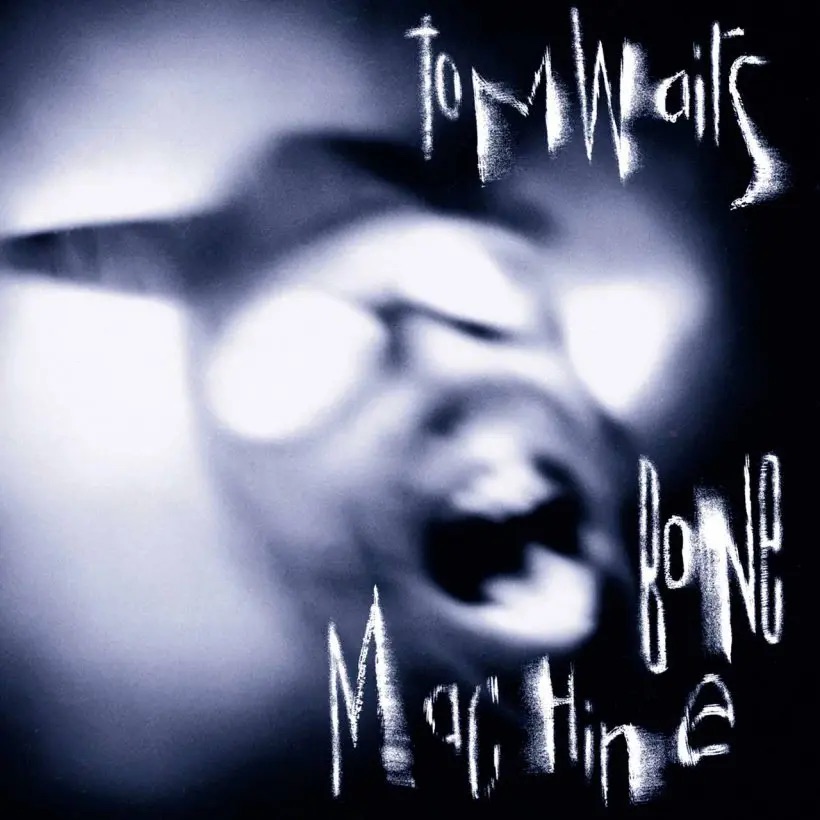
On 1992’s Bone Machine, Waits brought found-object percussion into songs preoccupied with death. “Earth Died Screaming” establishes the threatening atmosphere, while “Dirt in the Ground” gives mortality a bleak, almost devotional treatment. Yet the record has quieter passages that matter just as much. “A Little Rain” makes space for vulnerability; the closing “That Feel,” featuring Keith Richards, offers stubborn reassurance. The harshness gives those moments of warmth something to push against.
Parallels
The strongest connection is the freedom both artists find within older musical forms. Blues can accommodate unusual percussion, and a rough vocal can carry a delicate sentiment. Waits helped establish that possibility for later roots musicians working beyond conventional band arrangements. Lorenz’s salvaged instruments belong comfortably in that lineage. More revealing, though, is the shared willingness to let rhythm coexist with thoughts of death. A song can move your feet while asking you to sit with something difficult.
Breaks
Waits frequently approaches mortality through invented characters and ominous scenes. Lorenz’s starting point is a particular relationship, making To Go On more directly personal. “Put Your Phone Down” also brings the comparison into the present. Its concern with screens and relentless information turns attention itself into a subject. Beside Bone Machine’s threatening world, Lorenz proposes an everyday action: step outside and notice what is still there. That modest scale gives the song its usefulness.
Liner Notes
Start with “Put Your Phone Down” alongside “A Little Rain,” then put “One More Mile” beside “That Feel.” Those pairings bring the comparison closer to the songwriting than the unusual equipment. Bone Machine supplies a precedent for making emotionally substantial roots music from abrasive sounds. To Go On applies that freedom to the work of living after a loss, with room left for affection and a little forward motion.
 About the author: Gainesville, FL area creative by day. Music is my muse. I host Twangville’s weekly Readers‘ Pick.