
Buddy Miller’s self-titled album makes an easy case for pairing with Dan Penn’s 1994 Do Right Man. Both records sit where country, soul and gospel overlap, but the stronger connection is in how they treat songs and singers. Penn appears on Miller’s new album, which makes the lineage unusually direct.
Now
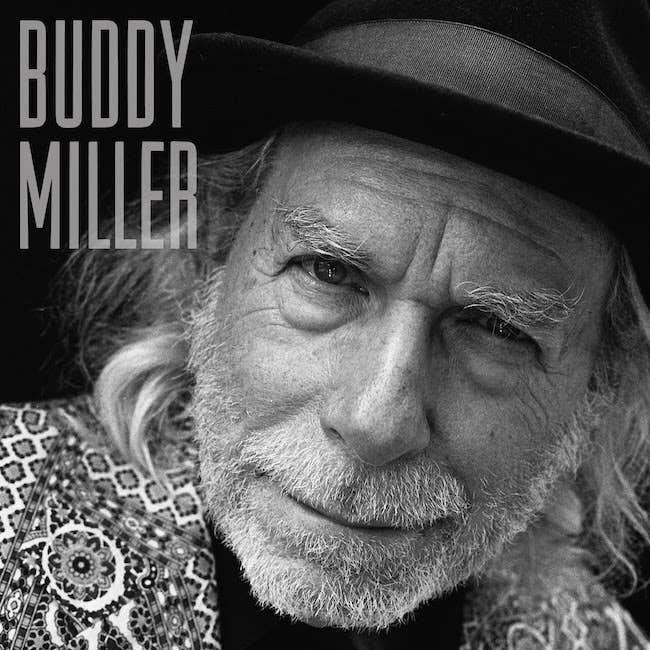
Buddy Miller is Miller’s first solo album in 15 years, and it keeps the focus on vocals, songs and restrained arrangements. He recorded much of it at home with Fred Eltringham on drums, Viktor Krauss on bass and Steve Fishell on pedal steel. Shawn Colvin joins him on “You Never Really Get Over It,” while Lee Ann Womack sings on “Stop Me,” a slow soul number where horns and steel guitar sit comfortably together. Elsewhere, gospel vocals and organ broaden the sound without pushing the record away from Miller’s country base.
Then

Dan Penn’s Do Right Man works from similar materials. Recorded in Muscle Shoals, the album gave Penn the chance to sing songs closely associated with other performers, including “The Dark End of the Street,” “It Tears Me Up” and “I’m Your Puppet.” Penn’s versions are quieter and less dramatic than many of the better-known recordings. His delivery puts more attention on phrasing and the songs themselves, which gives the album a directness that still holds up.
Parallels
Miller and Penn both come from traditions where songwriting, session playing and interpretation matter as much as the identity of the performer. Neither record depends on vocal display. The arrangements support the singers, and both albums move naturally between country and Southern soul. The connection is especially clear on Miller’s “Don’t Look Back,” where Penn joins him on the Smokey Robinson song. The performance uses pedal steel, organ and harmony vocals without treating the Motown source as something that needs to be converted into country music.
Breaks
The albums differ in purpose. Do Right Man is largely Penn revisiting songs tied to his own songwriting history and to the Muscle Shoals tradition. Buddy Miller is broader, pulling together original material, Julie Miller songs, Jesse Winchester and older soul material. Penn’s album feels connected to a specific body of work he helped create. Miller’s record is more about the range of songs and singers that have shaped his career.
Liner Notes
Do Right Man helps explain why Buddy Miller sounds so comfortable moving between country and soul. Both records rely on strong songs, understated singing and arrangements that leave room for the lyric. Penn’s appearance on Miller’s album makes the influence line explicit, but the connection is already there in the way both artists work: keep the performance grounded and let the song carry the record.
 About the author: Gainesville, FL area creative by day. Music is my muse. I host Twangville’s weekly Readers‘ Pick.