
Elizabeth Cook’s Great Television and Tift Merritt’s Bramble Rose come from different moments in country music, but they share a similar approach to songwriting. Both records are rooted in country without being limited by it, and both rely on strong vocal performances, clear arrangements, and songs that carry most of the weight. Merritt’s 2002 debut offers a useful earlier example of the kind of flexibility Cook brings to her 2026 record.
Now
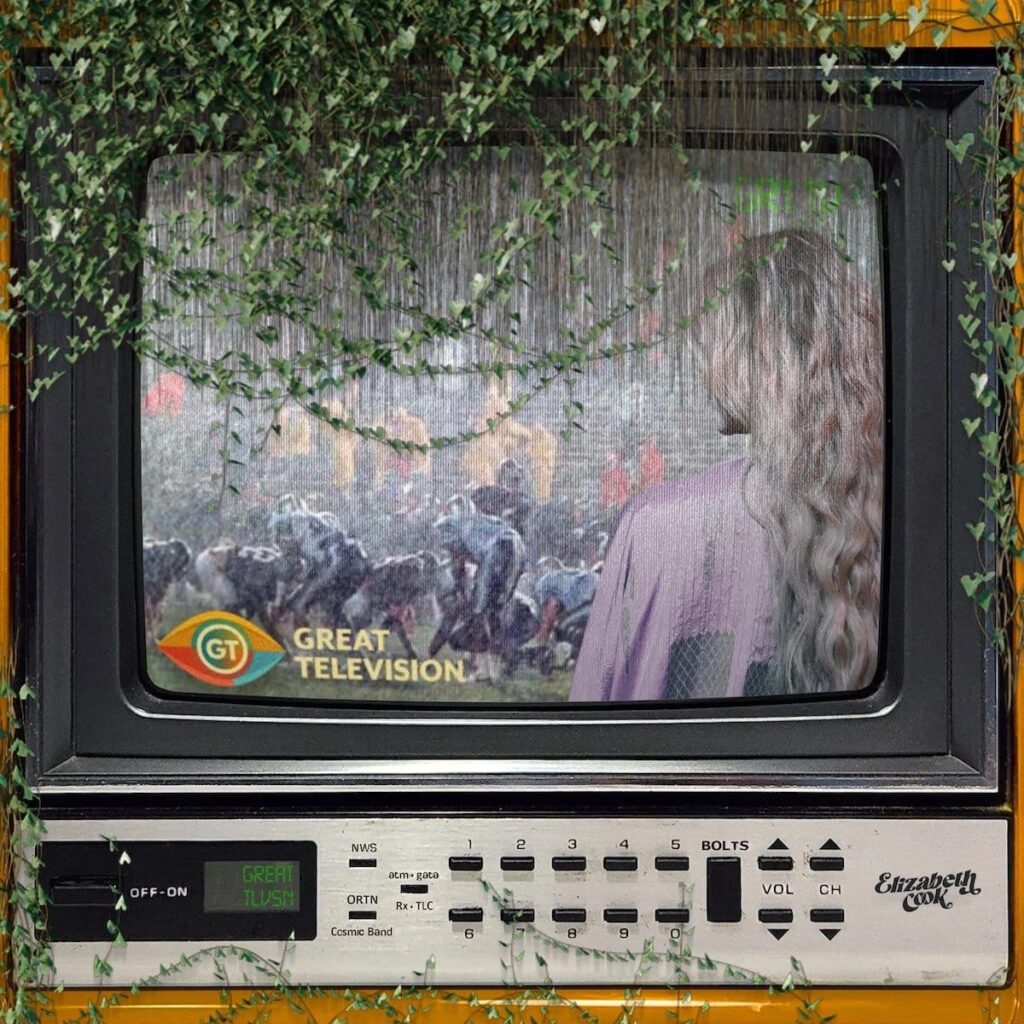
Great Television finds Cook working with producer Shooter Jennings and her live band at Sunset Sound. The production gives the record more rock presence without pushing Cook away from the direct country singing that has always defined her work. “Girls of Atomic City” and “Thiokol Tripwire” move into historical subjects, while “Okeechobee Mud” is more personal. “Razorwire Wall” brings the focus back to relationships. The range of subjects is broad, but Cook’s delivery keeps the album consistent.
Then
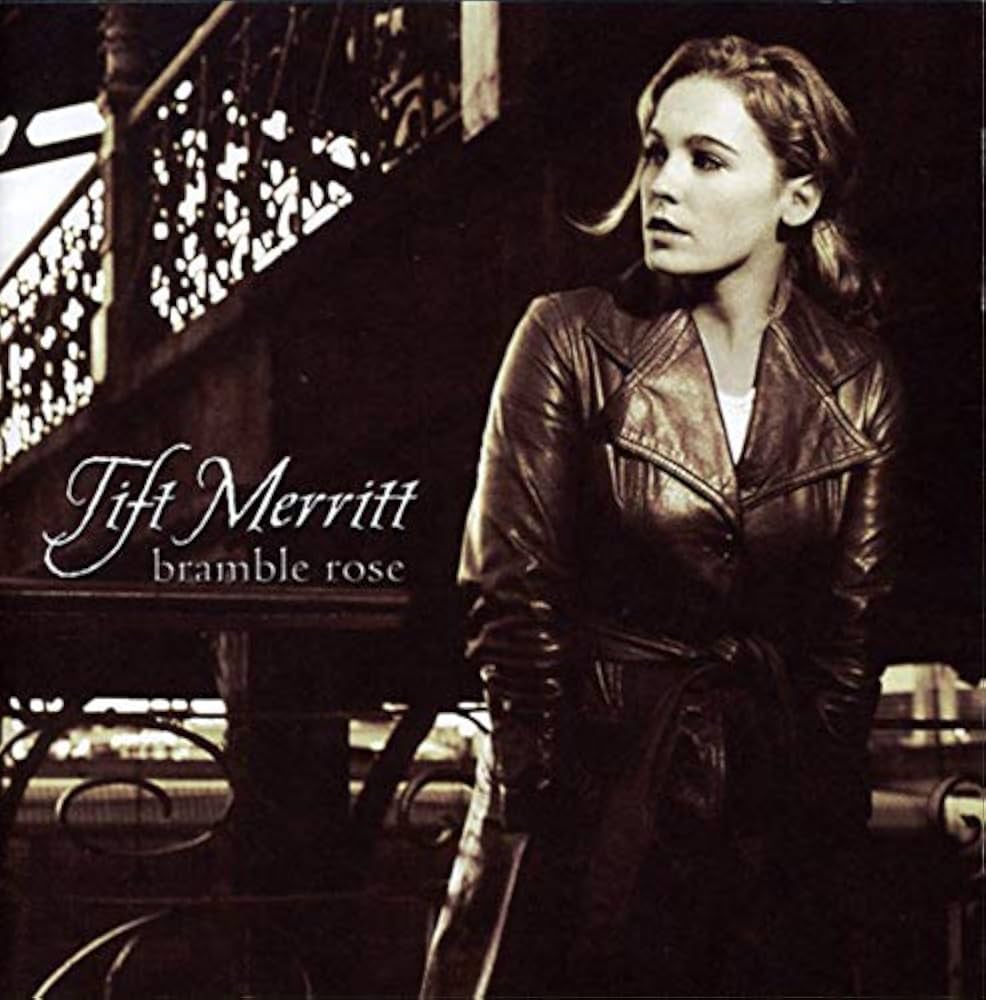
Tift Merritt’s Bramble Rose arrived in 2002, with Ethan Johns producing a record that balanced country instrumentation with a looser roots-rock sound. Merritt’s singing is central throughout, and the arrangements generally stay out of the way of the songs. “Virginia, No One Can Warn You” has more forward motion, while “Supposed to Make You Happy” and the title track are quieter and more emotionally restrained. The album helped establish Merritt as a songwriter who could work comfortably across country and rock without changing her basic style.
Parallels
The clearest connection is in the balance between voice, song, and production. Cook is more playful and sharper around the edges, while Merritt often sounds more reserved, but neither singer relies on oversized arrangements to create impact. Both records also treat country as a starting point rather than a strict format. Steel guitar, piano, and electric guitars are used according to what the song needs. The songwriting remains the priority, and both artists are strongest when the emotion is specific rather than generalized.
Breaks
The biggest difference is subject matter. Bramble Rose is largely concerned with relationships, uncertainty, and personal disappointment. Great Television reaches further into history and public events. Cook uses songs like “Girls of Atomic City” and “Thiokol Tripwire” to write about people whose stories have often been overlooked, then shifts back into material drawn from her own life. Merritt’s record stays closer to the emotional life of the individual. Cook moves more often between personal and historical perspectives.
Liner Notes
Bramble Rose showed that a country singer-songwriter could work comfortably with rock and pop influences without making the music feel less grounded. Great Television operates with that same freedom more than two decades later. Cook’s record is broader in subject matter and somewhat tougher in production, but the basic connection holds: strong songs, distinctive singing, and arrangements that support rather than define the writing.
 About the author: Gainesville, FL area creative by day. Music is my muse. I host Twangville’s weekly Readers‘ Pick.