
Silverada’s Living Proof pushes the band farther from straight honky-tonk and closer to heartland rock without dropping its Texas country foundation. With keyboards taking a larger role and pedal steel no longer central to the arrangements, the record has a broader, more reflective sound. Bob Seger and the Silver Bullet Band’s Against the Wind makes a useful comparison because it also pairs a seasoned road band with songs about work, age, relationships and the consequences of staying in motion for years.
Now

Living Proof is built around endurance more than bravado. “Highway Man” and “Silver Eagle” deal with life on the road as a practical reality rather than a romantic idea, while “Second Hand” and “Jack” move into damaged relationships and character-driven writing. Harmeier sounds more reflective throughout the record, and Parker Twomey’s piano and organ help reshape the band after Zach Moulton’s departure removed pedal steel from the regular lineup. The result is recognizably Silverada, but with less emphasis on traditional country instrumentation.
Then
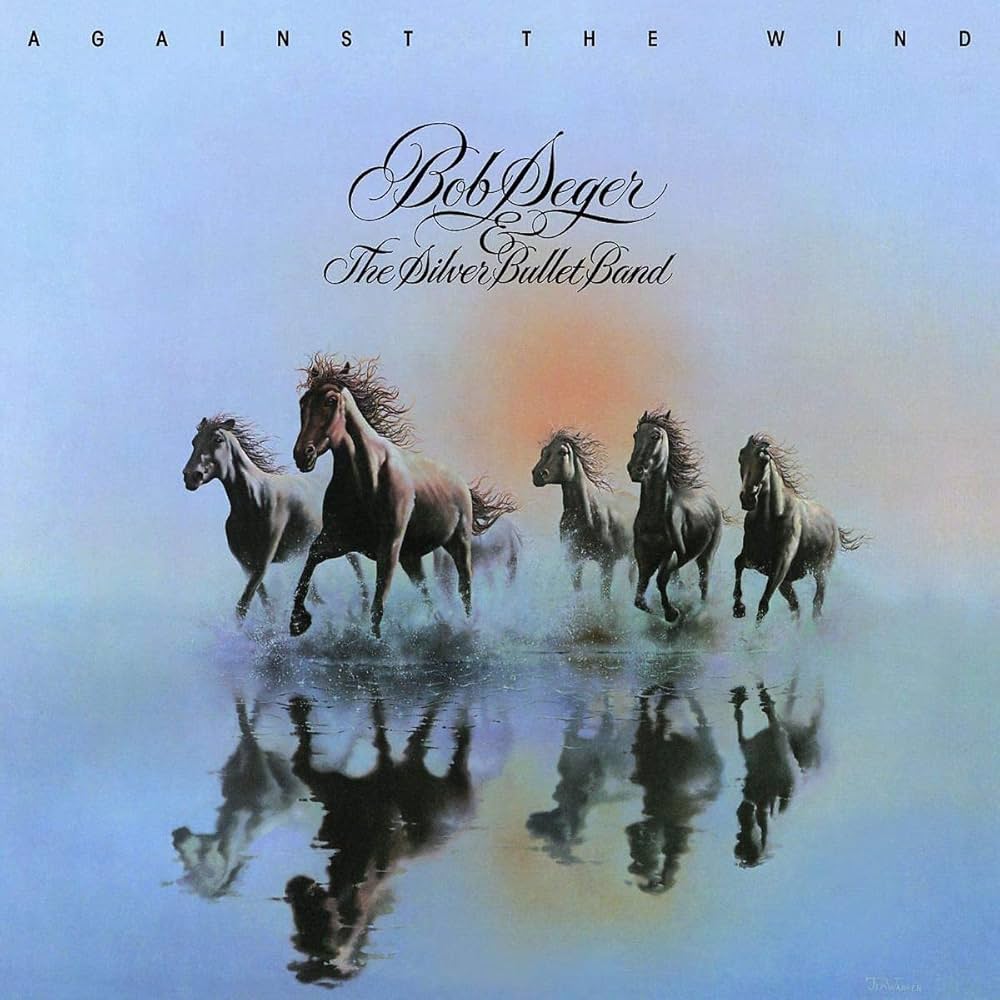
By 1980, Bob Seger had already spent years writing about touring, work and the pressures of adulthood. Against the Wind gave those subjects a more polished setting without losing the directness of his earlier records. “You’ll Accomp’ny Me” leans heavily on keyboards, while the title track uses piano and a restrained arrangement to frame Seger’s thoughts on age, responsibility and regret. Songs such as “Long Twin Silver Line” and “Fire Lake” keep the record moving, but the larger concern is what experience does to ambition.
Parallels
The clearest connection is in the songwriting. Harmeier and Seger both write about people who keep moving because that is the life they have chosen, while also paying closer attention to what that choice costs. Their vocal approaches are similarly direct. Neither singer relies on ornament or technical display, and both benefit from arrangements that leave room for the lyric. Piano is also important on both albums, giving the songs more emotional range without replacing the guitars or changing the basic identity of the band.
Breaks
Silverada remains much closer to country music. “How the World Ends,” for example, draws from classic Texas and honky-tonk traditions even as the arrangement pushes beyond them. Seger, by contrast, was working firmly within late-1970s and early-1980s FM rock, and Against the Wind reflects the cleaner production associated with that period of his career. The circumstances are different too. Seger made the album near a commercial peak, while Living Proof finds Silverada adjusting to a new band name, a changed lineup and a slightly different instrumental balance.
Liner Notes
Against the Wind helps explain Living Proof because it shows one way a veteran band can broaden its sound while keeping its songwriting direct. Silverada is making a comparable move within a different genre and at a different point in its career. The keyboards matter more, the arrangements are less tied to pedal steel, and the writing spends more time on experience than attitude. Living Proof does not sound like Seger, but it follows a similar path toward a more mature version of road-band music.
 About the author: Gainesville, FL area creative by day. Music is my muse. I host Twangville’s weekly Readers‘ Pick.