
GA-20 and Charlie Musselwhite’s BLUES NOW is built around a simple idea: keep the band lean, leave room in the arrangements, and let the interaction between guitar, harmonica, and voice carry the record. That makes Junior Wells’ 1965 Hoodoo Man Blues a useful predecessor. The two albums come from very different moments, but both treat electric blues as band music first, with little interest in unnecessary studio polish.
Now
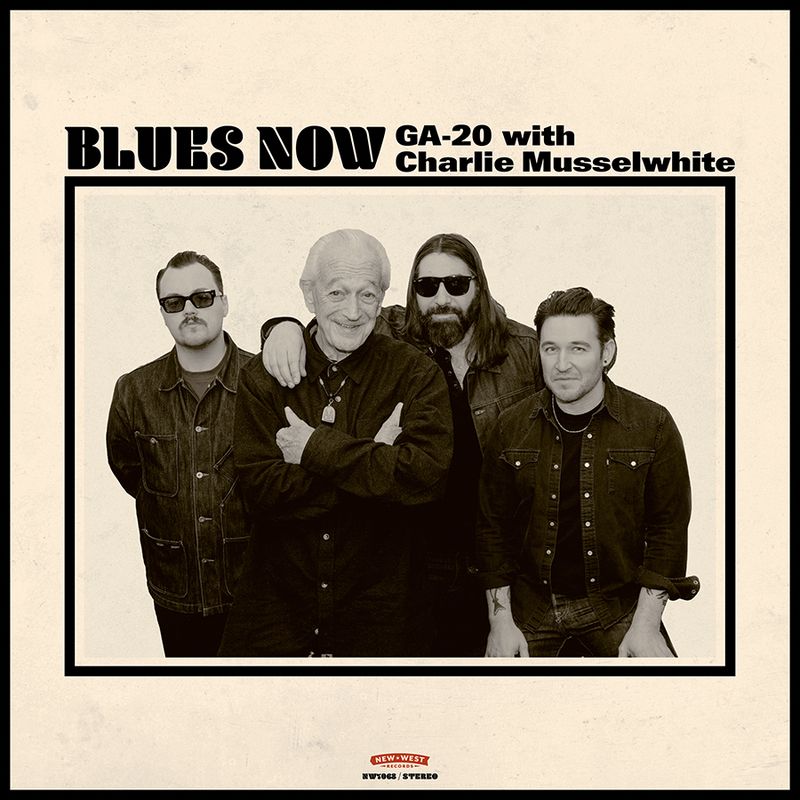
BLUES NOW pairs GA-20’s stripped-down attack with Musselwhite’s harmonica and vocals. Matthew Stubbs’ production keeps the arrangements open, while Cody Nilsen’s guitar and lap steel give the record some of its sharper edges. “Crazy Love” opens with a compact, direct groove, and “Universal Rock” emphasizes the instrumental chemistry between Musselwhite and the band. The closing “Cristo Redentor” is slower and more spacious, giving Musselwhite’s harp and Nilsen’s steel room to carry the melody without overworking the arrangement.
Then
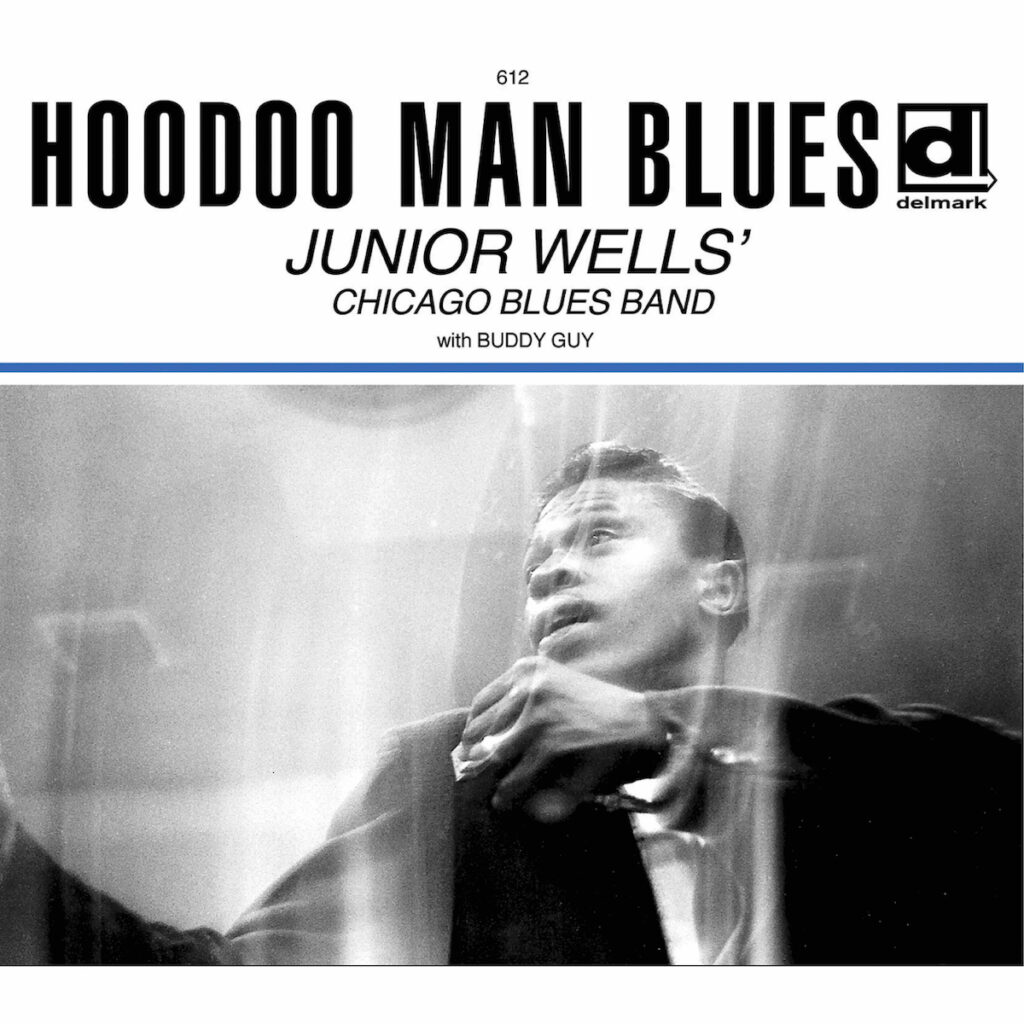
Junior Wells’ Hoodoo Man Blues used a similarly uncluttered setup. Buddy Guy’s guitar, Jack Myers’ bass, and Bill Warren’s drums support Wells without crowding him. “Snatch It Back and Hold It” is tight and rhythmic, while the title track depends as much on restraint as on volume. The record helped establish a model for blues albums that felt like working bands playing together rather than collections of singles dressed up for the studio.
Parallels
The strongest connection is in how both records handle space. Harmonica and guitar trade phrases instead of competing for attention, and the rhythm sections stay functional rather than ornamental. Both albums also treat older material as something to reshape. GA-20 and Musselwhite bring their own phrasing and attack to songs such as “Crazy Love” and “I Can’t Hold Out,” just as Wells and Guy approached familiar blues material as part of a living repertoire rather than fixed arrangements.
Breaks
The differences are just as clear. Hoodoo Man Blues has more swing and a fuller Chicago rhythm-section feel, helped by Myers’ bass throughout the record. BLUES NOW is often drier and more angular, with GA-20’s garage-blues background showing in the guitar tones and attack. Wells was documenting a contemporary Chicago scene in the mid-1960s. Musselwhite and GA-20 are working decades later, fully aware of that history and choosing which parts of it still serve the songs.
Liner Notes
Stubbs’ long history playing with Musselwhite helps explain why the collaboration sounds natural rather than ceremonial. Both records rely on compact arrangements, strong ensemble playing, and confidence that the blues does not need much added to it when the musicians are listening closely to one another.
 About the author: Gainesville, FL area creative by day. Music is my muse. I host Twangville’s weekly Readers‘ Pick.