
John R. Miller’s The Great Unknowing expands his country-rooted songwriting without leaving its working-class concerns behind. The album moves between acoustic character studies, honky-tonk arrangements, and louder electric passages, but Miller’s focus stays on people dealing with disappointment, economic pressure, and their own bad habits. Greg Brown’s 1994 album The Poet Game offers a useful earlier model. Brown also built songs from ordinary lives and local details, then allowed broader social concerns to emerge without turning the writing into commentary first and music second.
Now
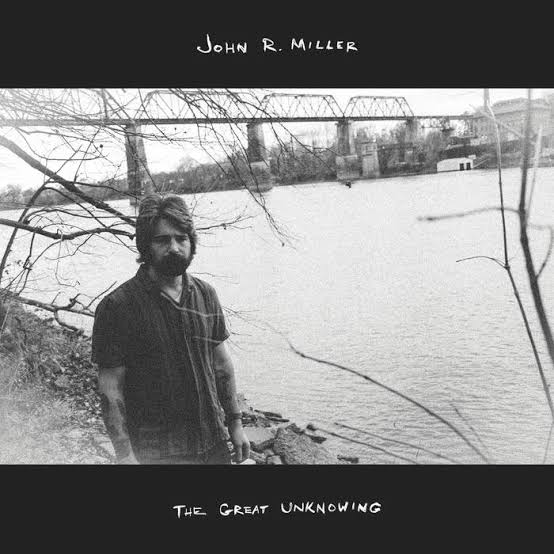
“Don’t Bet on Me” introduces Miller’s guarded, conversational delivery, while “Tollbooth” uses acoustic guitar and pedal steel to frame a lonely roadside scene. “Looking for a Place to Die” approaches job displacement with dark humor rather than a speech, and “Day Drinking” gives a familiar cycle of avoidance a loose country swing. The record also reaches beyond Miller’s quieter material. “A World Away” brings in heavier guitar, while the production leaves enough space for the band to sound flexible rather than carefully contained.
Then
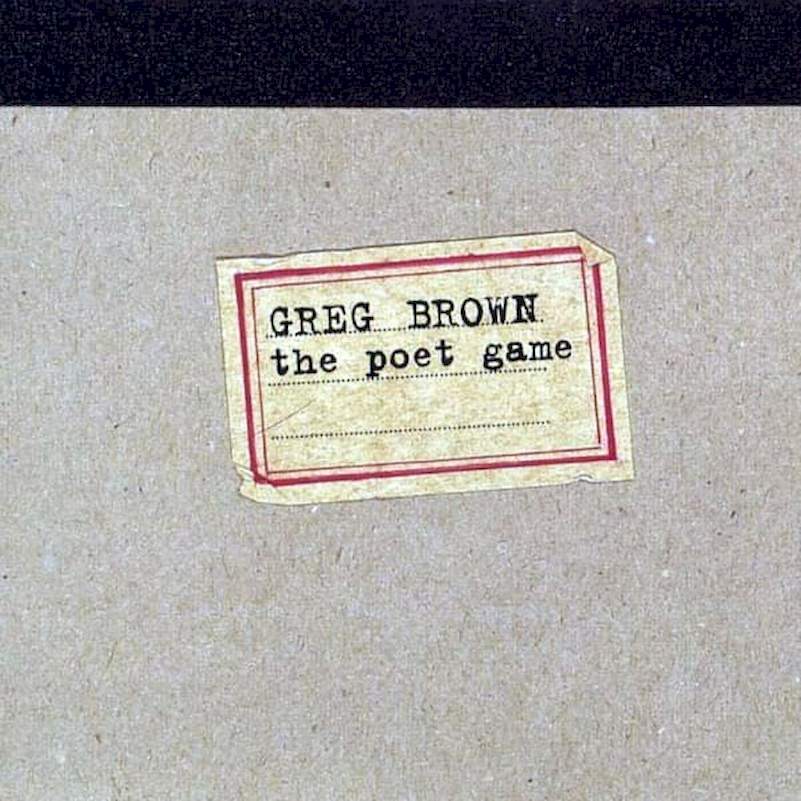
The Poet Game found Greg Brown working with a compact group and understated arrangements shaped in part by guitarist Bo Ramsey. Brown’s low, unhurried voice carries songs that connect personal memory with changes in American life. “Brand New ’64 Dodge” begins with family history and gradually reveals a larger sense of disillusionment. “Boomtown” considers what economic progress costs the people already living in a place. “Driftless” draws its emotional force from landscape, leaving, and the pull of home.
Parallels
Miller and Brown both write outward from specific situations. They do not begin with a broad position and search for characters to illustrate it. Brown places social change inside a family story or a town under pressure. Miller approaches similar concerns through a tollbooth worker, a displaced employee, or someone trying to make a routine seem manageable. Both singers favor phrasing that feels close to speech, and both use humor to keep the songs from becoming overly solemn.
Breaks
The main difference is scale and volume. The Poet Game remains restrained, with Brown’s voice and language carrying most of the weight. The Great Unknowing is more willing to shift styles within the same record. Miller brings in distorted guitars, synthesizer textures, fiddle, and pedal steel without treating any one sound as the album’s fixed center. His version of Dire Straits’ “Walk of Life” also shows his interest in changing the emotional meaning of familiar material through tempo and delivery.
Liner Notes
The Poet Game helped establish a durable approach for later Americana writers: start with recognizable people, keep the language plain, and let political or economic meaning develop through the story. The Great Unknowing works in that tradition while reflecting a less settled musical background. Brown’s influence is clearest in Miller’s patience with character and detail. Miller’s own contribution is the way he places that writing inside arrangements that can move from traditional country restraint to rougher electric release.
 About the author: Gainesville, FL area creative by day. Music is my muse. I host Twangville’s weekly Readers‘ Pick.