
The Rolling Stones have spent their career making their influences easy to hear, and Chuck Berry remains one of the clearest. Foreign Tongues connects through its guitar-driven arrangements, Jagger’s character-based singing, and the band’s preference for direct, rhythm-first rock and roll. Chuck Berry’s 1959 album Berry Is on Top offers a useful point of comparison because it contains several songs and techniques that helped shape the Stones from their earliest years.
Now

Foreign Tongues centers on Keith Richards and Ronnie Wood’s guitar interplay, with Steve Jordan and Darryl Jones giving the songs a firm rhythmic base. “Rough and Twisted” leans into the band’s familiar attack, while “In the Stars” has a cleaner contemporary sound. “Ringing Hollow” brings in country elements, and “Some of Us” gives Richards a more reflective setting. Andrew Watt’s production is fuller and brighter than the Stones’ classic recordings, but the basic approach remains grounded in guitars, groove, and vocal attitude.
Then
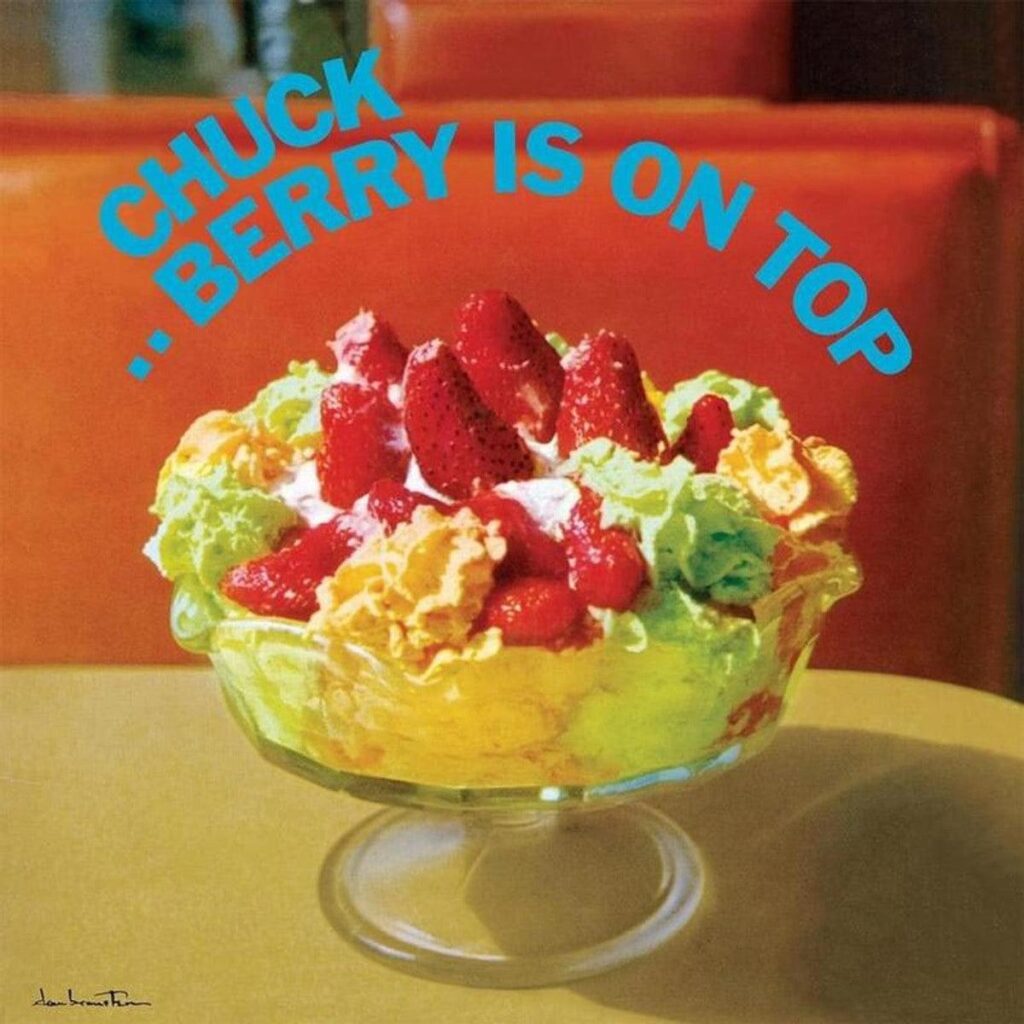
Berry Is on Top collected several of Chuck Berry’s defining songs, including “Maybellene,” “Roll Over Beethoven,” “Carol,” and “Johnny B. Goode.” Berry built these recordings around concise guitar openings, tightly constructed stories, and rhythms that joined blues phrasing with the energy of early rock and roll. His vocals were conversational and precise, often focusing on young people, romance, cars, and music itself.
Parallels
Both albums rely on guitar parts that establish the song quickly and keep the arrangement moving. Jagger and Berry also share an interest in singing from the viewpoint of specific characters rather than presenting every lyric as autobiography. Their performances use humor, exaggeration, and attitude, but the words remain clear and functional. The Stones expand Berry’s basic model through two-guitar arrangements and a heavier rhythm section, yet the underlying structure is similar: a memorable riff, a strong beat, and a vocal that carries the story.
Breaks
The differences mainly reflect the periods in which the records were made. Berry’s songs were written for the compact running time and direct impact of 1950s singles. Foreign Tongues uses a larger modern production style and allows the arrangements more room. The Stones also write from a much later stage of life, so reflection and mortality sit alongside the romantic conflict and swagger that have long been part of their work. Their version of the formula is broader and heavier, while Berry’s recordings remain spare and tightly focused.
Liner Notes
Berry Is on Top helped define the guitar language, lyrical economy, and rhythmic drive that the Rolling Stones adopted early in their career. Foreign Tongues shows how durable the ideas remain. The newer album continues Berry’s his emphasis on strong riffs and recognizable characters. The albums pair nicely stylistically and structurally.
 About the author: Gainesville, FL area creative by day. Music is my muse. I host Twangville’s weekly Readers‘ Pick.