
Margo Price has never treated country music as neutral ground, and Days Of Unrest removes any remaining doubt. Released as a July 4 weekend protest mixtape, it puts her in conversation with the folk-protest tradition while keeping one boot in country music. The “Then” album is Loretta Lynn’s Van Lear Rose, a 2004 record that made plainspoken country songwriting feel newly urgent.
Now

On Days Of Unrest, Price leans into songs built for public argument. Her version of Woody Guthrie’s “Deportee (Plane Wreck at Los Gatos)” features Joan Baez and Memphis Mariachi, while “Maggie’s Farm” and Blaze Foley’s “Oval Room” connect labor, power, and political disgust across generations. The originals, including “Can’t Stand Still,” sit naturally beside the covers because Price has long written from a place where personal freedom and public pressure overlap. The production is direct and economical, more concerned with force than polish.
Then
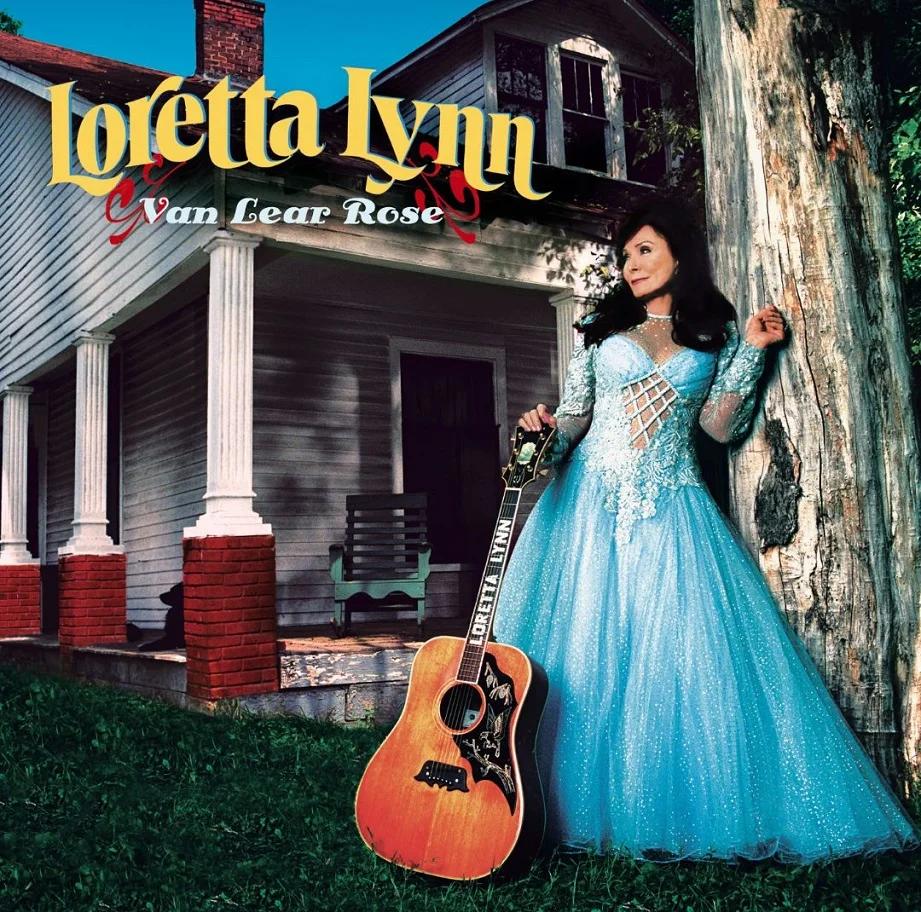
Van Lear Rose paired Loretta Lynn with Jack White, but its power still came from Lynn’s writing and delivery. The album revisited the directness that had always defined her best work: family history, marriage, desire, grief, and women refusing to stay quiet. White’s production gave the songs a rougher edge, with guitars and room sound pushing against the cleaner Nashville treatment Lynn had often received. “Portland Oregon” brought the rock-country collision to the front, but the record worked because Lynn’s voice stayed in command.
Parallels
Both albums show how country music can carry political weight without losing its storytelling habits. Price makes the protest line explicit by choosing songs associated with Guthrie, Dylan, Foley, and Baez. Lynn’s record works from autobiography, but the effect is related: a woman names the conditions around her and refuses to soften the point. In both cases, the arrangements sharpen the message. The lineage is about authority, clarity, and the refusal to separate country music from lived conflict.
Breaks
The difference is purpose. Van Lear Rose is a personal record that gains public meaning through the force of Lynn’s perspective. Days Of Unrest starts from public crisis and uses inherited songs as a way to respond quickly. Price’s album also carries the looseness of a mixtape, with covers, originals, guests, and benefit-album urgency all part of the design. Lynn was looking back without sounding settled. Price is looking around and deciding there is no reason to wait.
Liner Notes
The comparison holds because both records resist the tidy version of country tradition. Van Lear Rose showed that an established country voice could sound tougher when the framing got less polite. Days Of Unrest takes that lesson into a protest setting, where Price treats old songs as active material rather than archival keepsakes. Lynn helped clear space for country women to sound blunt, funny, wounded, and unmanageable on their own terms. Price uses that space with a louder political brief and very little patience for pretending the moment is normal.
 About the author: Gainesville, FL area creative by day. Music is my muse. I host Twangville’s weekly Readers‘ Pick.