
Swamp Dogg’s Swamp Dogg Contemplates The Afterlife belongs in the long line of soul records where age sharpens the writing instead of softening it. The album looks at mortality, memory, belief, and unfinished business with the plain speech that has always made Swamp Dogg hard to categorize. A useful earlier reference is Solomon Burke’s 2002 album Don’t Give Up on Me, a late-career soul record that gave an older singer room to use experience as the central instrument.
Now
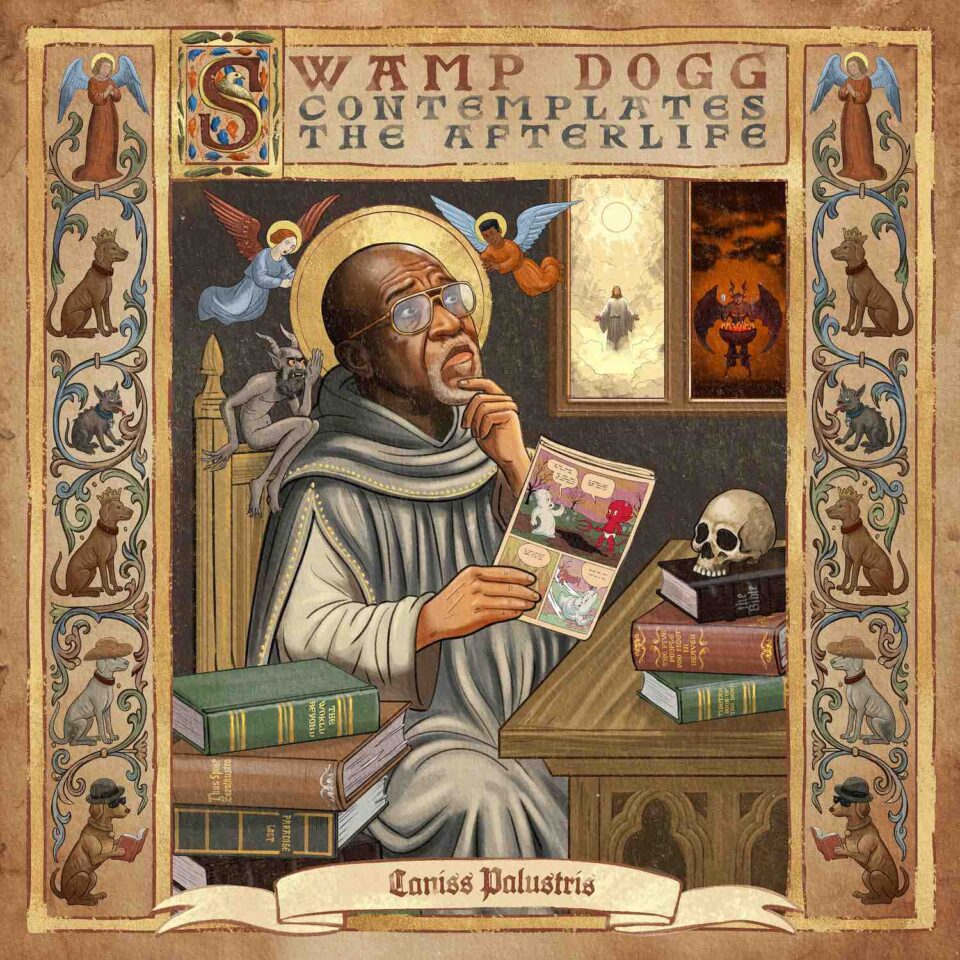
On Swamp Dogg Contemplates The Afterlife, Jerry Williams Jr. treats the subject of death with seriousness, but not solemnity. The record includes originals alongside songs connected to Jenny Lewis and John Prine, including Prine’s “Please Don’t Bury Me,” which fits Swamp Dogg’s taste for humor that carries real emotional weight. The production stays rooted in R&B and country-soul, with organ, horns, guitar, bass, and drums giving the songs a warm, unfussy frame. His voice is direct, weathered, and conversational, which makes the reflections feel personal rather than theatrical.
Then
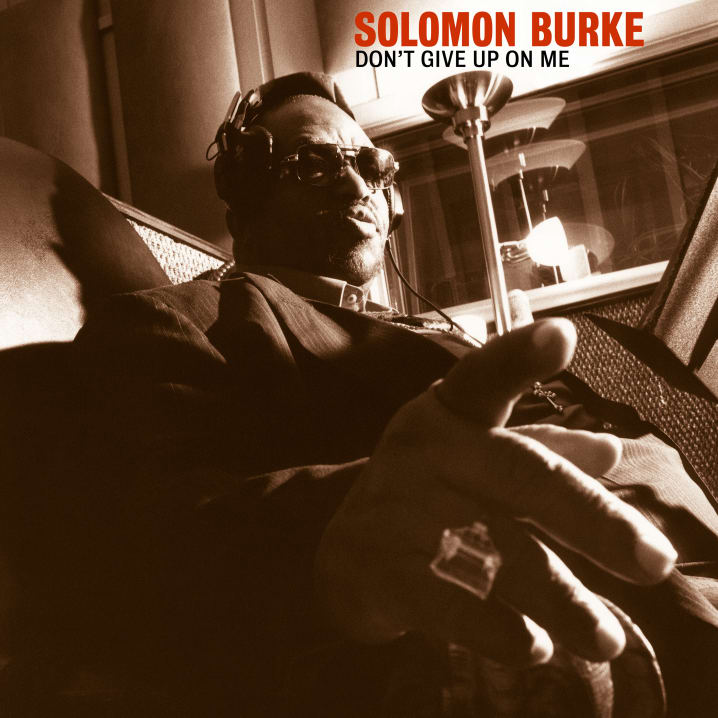
Solomon Burke’s Don’t Give Up on Me took a different path to a similar kind of authority. Produced by Joe Henry, the album used a restrained setting and songs written by figures such as Bob Dylan, Van Morrison, Tom Waits, Elvis Costello, and Nick Lowe. Burke did not need elaborate arrangements to make the material feel large. He sang with control, patience, and a clear sense of emotional stakes. Songs like “None of Us Are Free” and “Fast Train” work because the performances sound earned, not because the record tries to manufacture drama.
Parallels
The connection between these albums is not just that both feature older soul singers. Both records understand that late-career work is strongest when it trusts the singer’s history. Burke’s album uses restraint to foreground dignity and conviction. Swamp Dogg’s album allows more humor and eccentricity, but it also depends on the listener hearing a lifetime behind the lines. Both records draw from soul, gospel feeling, and country-adjacent songwriting, where direct language can carry complicated emotions without needing to be dressed up.
Breaks
The main difference is tone. Burke’s Don’t Give Up on Me is formal, reverent, and carefully framed as a major return. Swamp Dogg’s album is looser and more self-directed. He is not being presented as a rediscovered master in quite the same way. He is continuing his own strange, durable path. Where Burke often sounds like he is offering testimony, Swamp Dogg sounds like he is thinking out loud, sometimes with a joke in the same breath as a hard truth.
Liner Notes
Don’t Give Up on Me helped establish a modern model for elder soul records: use strong songs, avoid overproduction, and let the singer’s age become part of the meaning. Swamp Dogg Contemplates The Afterlife follows that lesson without copying its tone. It is less polished, more personal, and more idiosyncratic. Both albums show how soul music can address mortality. Burke gave the form gravity. Swamp Dogg gives it candor, humor, and a stubborn sense of forward motion.
 About the author: Gainesville, FL area creative by day. Music is my muse. I host Twangville’s weekly Readers‘ Pick.