
The Red Clay Strays’ Grateful and The Del Fuegos’ Boston, Mass. are both band records in the practical sense. The appeal starts with a singer, but it depends on the group around him: guitars that answer instead of crowd, rhythm sections that keep the songs moving, and arrangements that sound built from stage time. Grateful was released in 2026 and produced by Dave Cobb, while Boston, Mass. was The Del Fuegos’ second album, released in 1985 on Slash Records.
Now
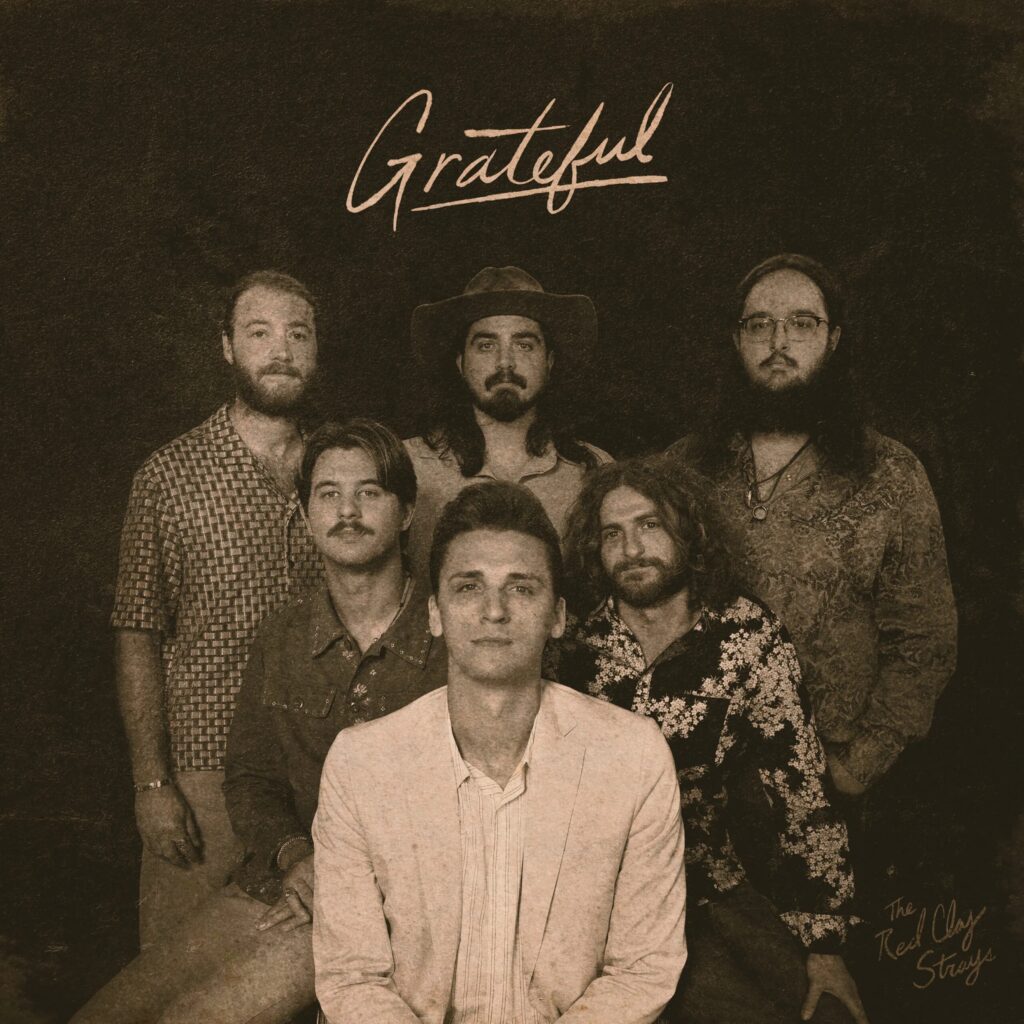
On Grateful, The Red Clay Strays sharpen what has made them stand out in the current roots-rock field. Brandon Coleman’s voice remains the center, but the band frames it with steady, unfussy force. “Demons In Your Choir” opens with a mix of warning and release, using religious language without turning the song into a hymn. “People Hatin’” pushes harder, closer to roadhouse rock, while “If I Didn’t Know You” leaves more space for tenderness. The album’s 11 songs lean on faith, perseverance, and gratitude, but the playing keeps those themes grounded.
Then
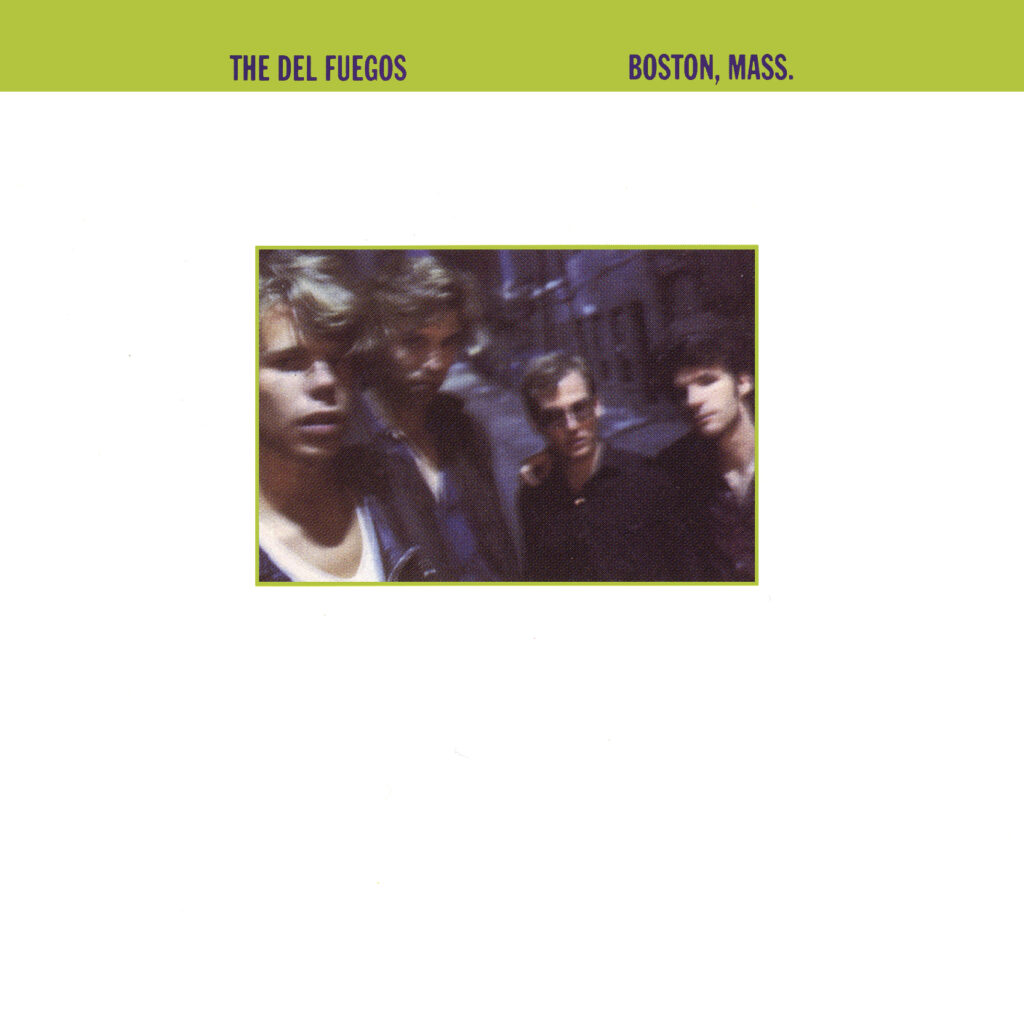
The Del Fuegos’ Boston, Mass. came out of a different scene, but it shares that working-band identity. The group was tied to Boston’s 1980s rock world, with a sound rooted in garage rock, rhythm and blues, and stripped-down roots-rock momentum. “Don’t Run Wild” gives the album an immediate, restless charge. “I Still Want You” is the obvious single, direct and tuneful without being slick. “Fade to Blue” shows the band could slow down without losing its rough edges. The record sounds like four players trying to make simple parts hit hard.
Parallels
The comparison works because both albums treat roots music as a live-band language. The Red Clay Strays are more Southern and more soul-driven, but their strengths are similar: strong lead vocals, clear song structures, and arrangements that leave room for the band’s personality. The Del Fuegos were not making revival music in 1985. They were using older rock and R&B tools to write immediate songs for their own moment. Grateful does something comparable with Southern soul, country feeling, and gospel influence.
Breaks
The Red Clay Strays put more emotional weight on faith and redemption. Coleman sings with a bigger range and a more dramatic sense of release than Dan Zanes, whose delivery on Boston, Mass. is leaner and more street-level. The Del Fuegos also work faster and rougher, with a garage-rock economy that keeps most songs compact. Grateful is broader in sound and more polished in production, which makes sense for a band now playing to much larger rooms.
Liner Notes
Boston, Mass. compares because it keeps the focus on group chemistry. The Del Fuegos show how a band can update older American rock forms without overthinking them. The Red Clay Strays do the same from a Southern roots angle, with more gospel pull and a stronger emphasis on gratitude after struggle. The shared lesson is straightforward: when the songs are direct and the band believes the groove, roots-rock does not need much explanation.
 About the author: Gainesville, FL area creative by day. Music is my muse. I host Twangville’s weekly Readers‘ Pick.