The Deslondes’ Don’t Let It Die: Vol. 1 is a covers album with a clear purpose: to show where the band comes from and who they listen to. The record draws from country, soul, R&B, swamp pop, and roots music, with songs associated with artists including Swamp Dogg, Johnny Cash, Clifton Chenier, Shelby Lynne, Pat Reedy, and The Kernal. For a “Then” comparison, The Blasters’ 1980 debut American Music is a strong match. It is also a roots-minded record built from older American styles, balancing original songs with covers that show the band’s musical foundation.
Now

Don’t Let It Die: Vol. 1 puts The Deslondes in interpreter mode. That suits a band whose own music has always depended on shared vocals, loose ensemble playing, and a broad view of Southern roots music. The album is not arranged as a tribute to one artist or one genre. Instead, it moves through songs connected by feel: country storytelling, soul phrasing, Louisiana rhythm, and a preference for performances that sound direct rather than polished. The result is less about reinvention than about placing these songs inside The Deslondes’ existing vocabulary.
Then
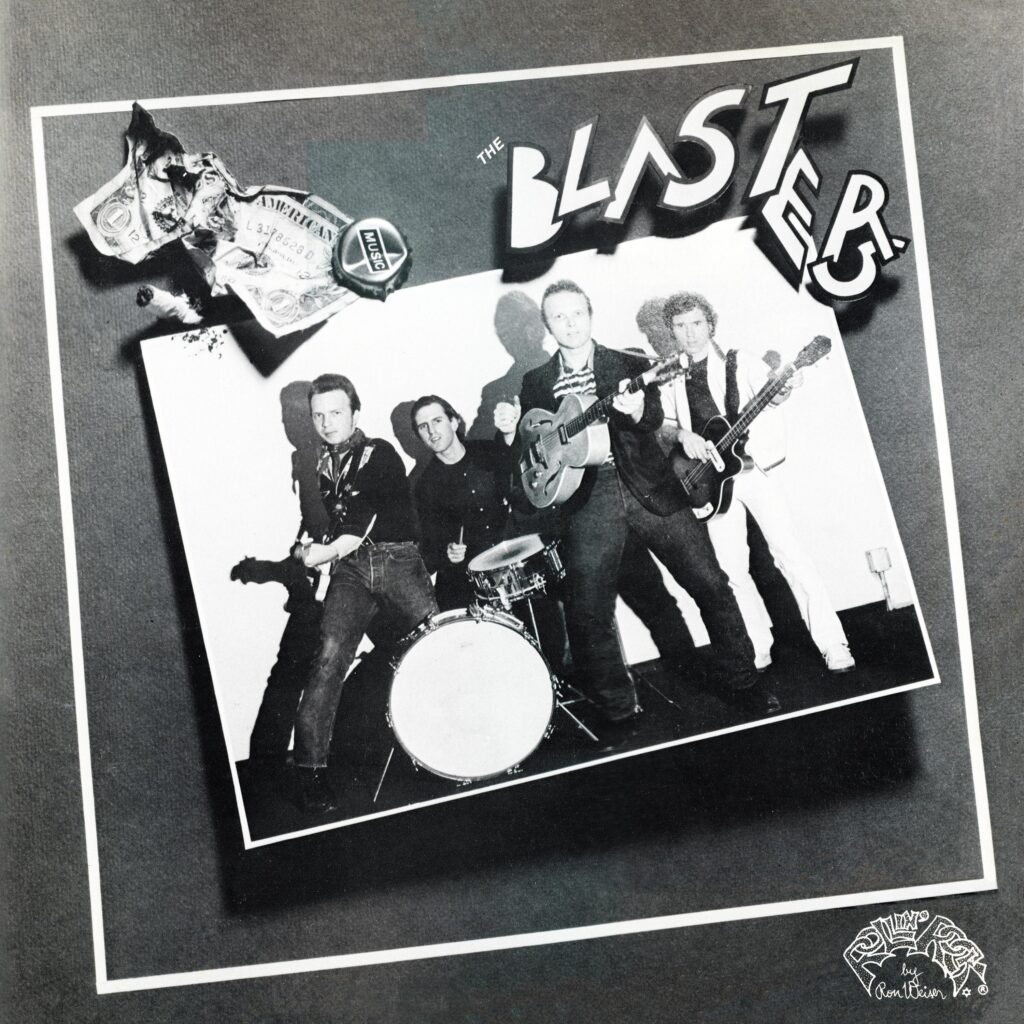
The Blasters’ American Music was released in 1980 and helped define the band’s approach: rock and roll tied closely to blues, rockabilly, country, and early R&B. Phil Alvin’s vocals gave the songs urgency, while Dave Alvin’s guitar kept the arrangements lean and forceful. The album included originals such as “Marie Marie” alongside covers like “I Wish You Would,” “Real Rock Drive,” and “Never No Mo’ Blues.” Its title was direct because the concept was direct. The Blasters were identifying the styles they valued and playing them with contemporary energy.
Parallels
The connection between the two albums is not just genre. Both records use covers to establish lineage. The Blasters looked back to postwar blues, early rock and roll, and country forms that had shaped them, then played that material with the drive of a Los Angeles band in 1980. The Deslondes make a similar move from a New Orleans and Gulf Coast perspective. Their choices point toward country-soul, swamp pop, honky-tonk, and the kind of regional songwriting that often travels through live shows, record collections, and personal friendships.
Breaks
The main difference is tone. American Music is tighter, faster, and more aggressive, reflecting The Blasters’ place near the roots-rock and punk scenes of late-1970s and early-1980s Los Angeles. Don’t Let It Die: Vol. 1 is more relaxed and openly affectionate. The Deslondes are not trying to make older songs sound newly explosive. They are more interested in letting the songs sit naturally within the band’s blend of voices and rhythms. That makes their album feel more communal and less declarative.
Liner Notes
As a comparison, American Music helps clarify what Don’t Let It Die: Vol. 1 is doing. Both albums treat older songs as part of an active tradition. The Blasters used covers to announce a musical identity. The Deslondes use them to acknowledge influences, friends, and regional touchstones. Different eras, different tempos, same basic argument: a band can tell you a lot about itself by showing you what it chooses to carry forward.
 About the author: Gainesville, FL area creative by day. Music is my muse. I host Twangville’s weekly Readers‘ Pick.