We recently caught up with Sean McLaughlin of 37′ Productions to give us the lowdown on running a space a few miles south of Boston.
Where is the studio located?
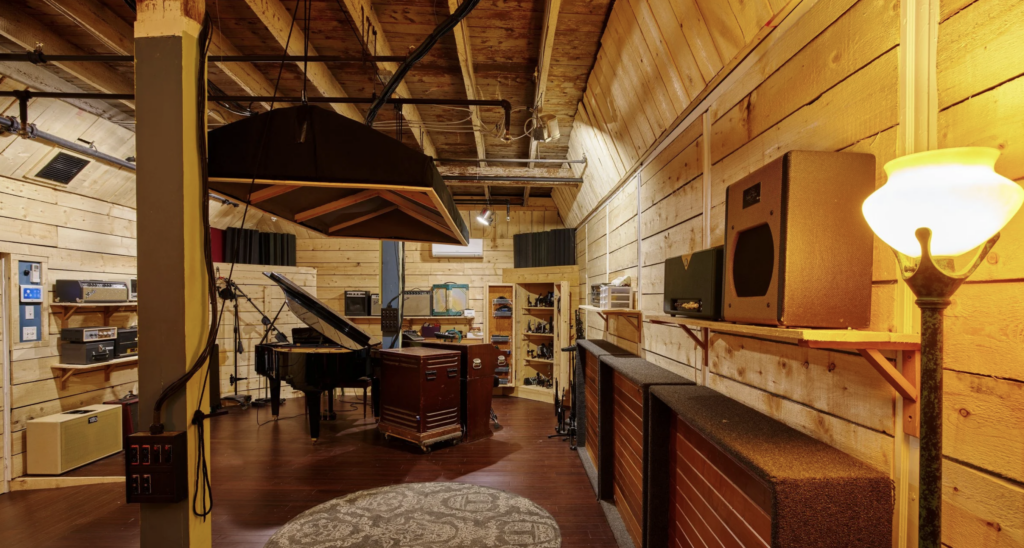
The studio is in a century old mill building in Rockland, MA.
Who are some notable artists who have recorded at the studio?
I’ve been fortunate to work with a lot of great artists. Americana artists like Ward Hayden and the Outliers, Parsonsfield, Honeysuckle, and Cody Nilsen to name a few. Non-Americana artists like Matchbox Twenty, Queensryche, and Rush.
How did you start the studio or what led you to start the studio?
I’ve been interested in producing and recording ever since I knew what it was, which is going on 35 years now. I moved to Boston from Los Angeles in 2004, and wanted to be able to bring a level of recording that I’d learned in LA to an independent market. I’ve had the studio since 2006, and it kind of fell in my lap. A friend of mine had started building the room and moved, so he asked if I wanted to take it over. At the time, I thought owning a room wasn’t what I wanted because I liked going to different rooms, but I’ve been able to shape the studio into a place that a lot of artists feel is really conducive to their creativity, and I can’t think of a bigger compliment for a place to help create art.
In 2017, I had Lou Clark of Sonic-Space build a new control room, and I couldn’t be happier. I’ve been mixing more than half the time I’ve been in the studio for the past decade or so, and having a room that’s as close to perfect as I could envision is invaluable to me.
How do you go about finding new gear for the studio, and what’s your favorite toy?
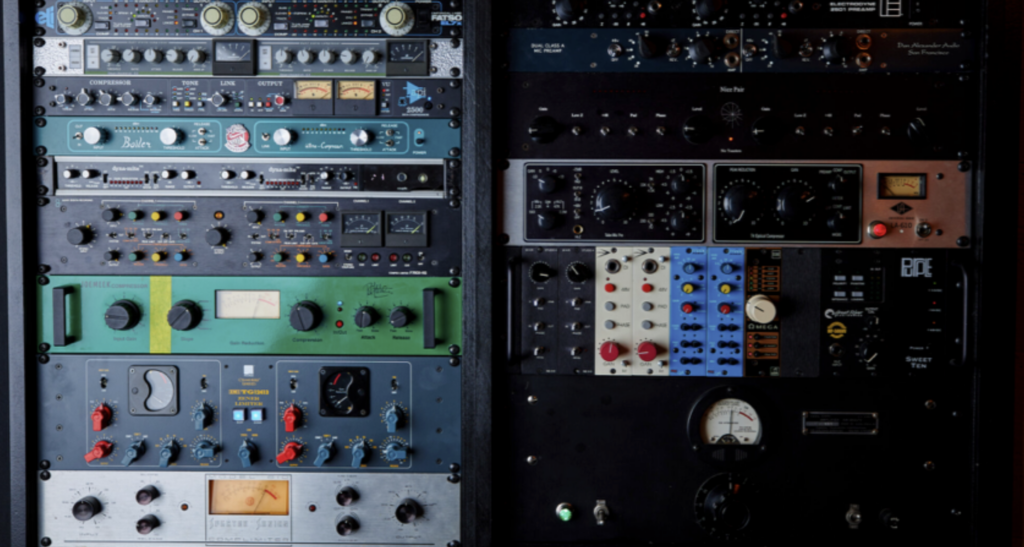
I have garnered quite a collection over the years! I think most of us shop on Reverb/eBay, as well as keep our ears to the ground, and have made friends with manufacturers and dealers over the years. I prefer the term tools, because you can’t deduct toys from your taxes, but favorite would be tough to narrow down to just one. I recently got a Jalopy snare, which was custom made by the folks a Revival Drum Shop in Portland, Oregon. I love guitar pedals and have a large collection of all different types. Also, I have a Highland Dynamics BG2 compressor that used to be owned by Dave Cobb, and I feel like there’s some magic in that box.
Name 1 or 2 favorite/most meaningful sessions/albums from the studio.
Having done this for so long, I hate playing favorites, and really am in the envious position of working with folks I love as artists and people. Ward Hayden’s record “Little By Little” hit number one on the Americana charts last year, and that was special.
Name 1 or 2 most surprising moments in the studio.
Surprising is tough, because I like having an open creative environment, so a lot of things end up being surprising, most of them pleasant. I think a lot of the sessions I do with multiple players playing together always have incredible happy accidents, because we get to work out ideas together as a unit, which always ends up enriching the songs more than having just me shooting off my mouth.
What is the best/worst part of running a studio?
The best part is working with amazing people who have something to say. There’s nothing like helping people find and express their truth. Hearing people say that the music we get to make together feels and sounds even better than they imagined is the single best feeling.
The worst part is money. I hate discussing money with independent artists. They’re usually having to deal with the same issues everyone else does, but have to pay for studio and production time on top of that. I always find a way to make it work if it’s possible, but working with managers and mixing for other producers is so much easier because they understand the landscape more.
What was the first session done at the studio?
The first album I did almost fully at the studio was for a band called Static of the Gods, and they got signed off that album, which the label released as is, which I took as a point of pride.
Is there a non-musical aspect of the studio that you are proud of?
I’m actually proud to still be running! A lot of studios don’t make it this long, especially studios in commercial spaces outside of a city. Being able to help the music community around me is amazing, and knowing artists still like coming here to work because it’s a space people feel safe and free to express themselves is something I strive for.
How would you describe the vibe in your studio? How do you maintain it?
The words clients have used in the past are “relaxed efficiency”. A lot of musicians come in and say “it’s been so easy to get in a zone and be comfortable, and it doesn’t feel like we’re working hard, but we get all of this music done!” I also try to capture things as close to what the final result sounds like as I can, so when people come in to the control room to listen for the first time, some have asked “Is this mixed already?” Hearing something come out of the speakers that exceeds people’s expectations adds to the excitement.
As for maintenance, if something isn’t working, it comes out of the rack or off the floor. I don’t want people seeing gear, wanting to use it, and plugging it in to find out it doesn’t work.
Any final thoughts?
I want people to know that when they come here, I want to give them the best creative experience of their lives. If I’m producing, I want to be that other set of ears to hear things and say “What if we tried…”. If I’m recording, I want to give them a sonic experience that is better than any other they’ve had. If I’m mixing, I want to get to the heart of the song and enhance that feeling with what I do sonically. I want to cater each experience to the artist as much as I can, and I want to make everyone’s best record (until the next one)!
 About the author: Producer, Engineer, Musician and all around music enthusiast.