
Texas music has always had a loose gate policy. Country can walk in with muddy boots, blues can grab the good chair, and somebody will eventually find an accordion. Ryan Bingham & The Texas Gentlemen’s They Call Us The Lucky Onesfits the house-party tradition: a road-worn singer stepping into a band that knows when to lean hard and when to let the dust hang in the air. Its clearest ancestor is Doug Sahm’s 1973 solo debut Doug Sahm and Band, the big-hearted Atlantic Records record that treated Texas roots music like a borderless language.
Now
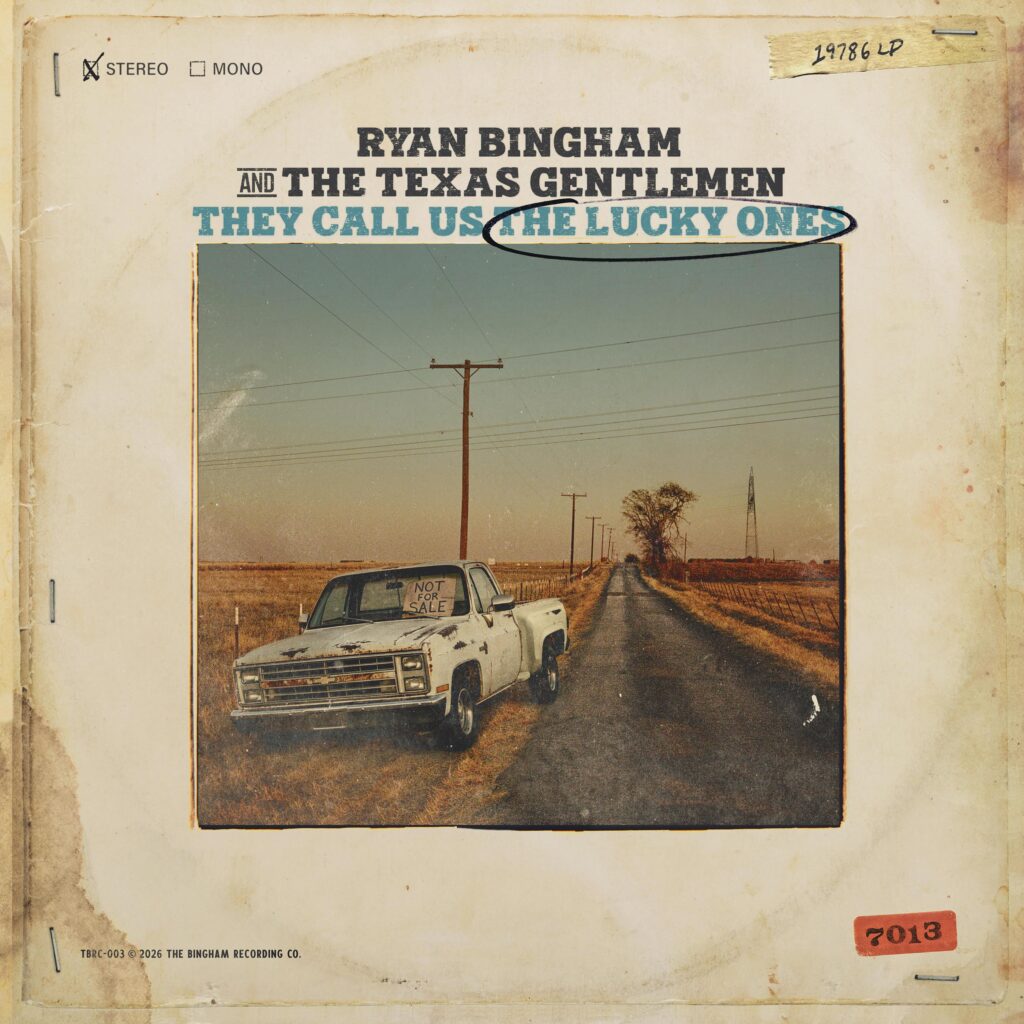
They Call Us The Lucky Ones is Bingham’s first full-length album in seven years, a 10-song set released May 15, 2026, through The Bingham Recording Co. and Thirty Tigers. The record was tracked mostly live with minimal overdubs, which matters because Bingham’s voice sounds best when it has something to push against. The Texas Gentlemen give him muscle without turning the songs into a bar-band blur. “The Lucky Ones” carries the scar-tissue gratitude of the title, while “Ballad of The Texas Gentlemen” puts the collaboration right on the marquee. The cover image says plenty too: a white pickup on a long rural road, marked “not for sale,” which is about as subtle as a pawn-shop Telecaster and just as effective.
Then
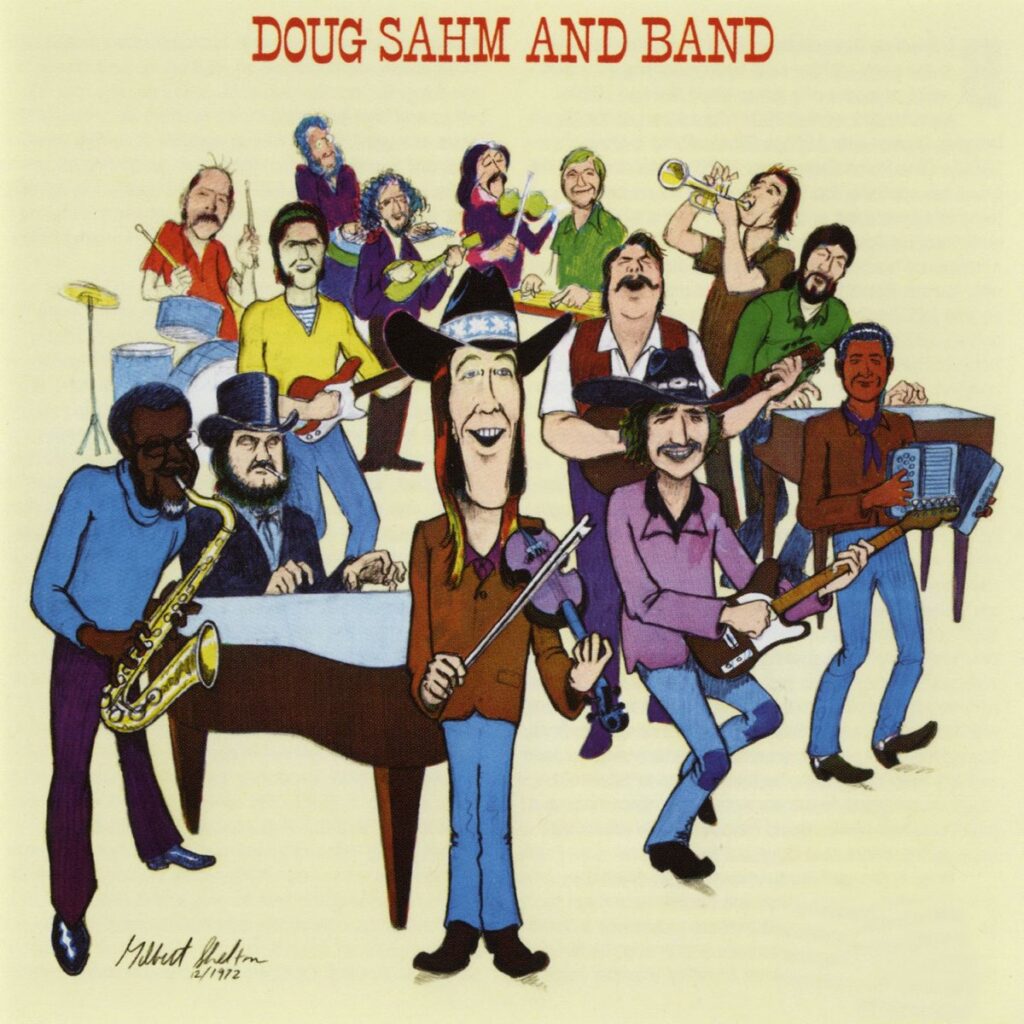
Doug Sahm had already bent Tex-Mex, garage rock, country, and R&B into strange shapes with the Sir Douglas Quintet before Doug Sahm and Band. His 1973 debut under his own name brought that appetite into a wider studio frame, with Jerry Wexler and Arif Mardin helping steer sessions that included Bob Dylan, Dr. John, Flaco Jiménez, David “Fathead” Newman, David Bromberg, and Augie Meyers. It opens with “Is Anybody Goin’ to San Antone,” later drifts through “Poison Love,” “Faded Love,” “Me and Paul,” and Sahm’s own “I Get Off.” The guest list is famous, but the point is Sahm making Texas sound roomy enough for everybody.
Parallels
Bingham and Sahm both understand what the band brings to the equation. On They Call Us The Lucky Ones, the Texas Gentlemen bring groove and grit around Bingham’s gravelly phrasing, giving his songs the feel of a night that started as a gig and ended as local folklore. Sahm worked from the same instinct, letting fiddle, steel, horns, accordion, and piano bump shoulders. The lineage is especially clear in the way both records treat Texas as a crossroads rather than the feature. These albums are country-adjacent, blues-literate, dance-hall friendly, and suspicious of polish.
Breaks
Sahm’s record is rangier and more mischievous, a crate-digger’s jukebox with a grin. Bingham’s album is heavier in the boots. His writing tends to circle survival, distance, and hard-earned peace, and his vocal grain makes even the hopeful lines sound like they have slept in the truck. Where Sahm often sounds like he is throwing open the doors, Bingham sounds like he is deciding who has earned a seat at the table. The Texas Gentlemen loosen him up, but they do not erase the lonesome center that has always made his best songs feel personal.
Liner Notes
The comparison is fair because Doug Sahm and Band helped define a Texas record as something wider than country orthodoxy: a communal, border-crossing thing with room for soul, conjunto, honky-tonk, and barroom rock. They Call Us The Lucky Ones is not a revival exercise, thank goodness. Bingham and The Texas Gentlemen instead pick up Sahm’s more useful lesson: put the right players in a room, trust the human wobble, and let the song find the highway.
 About the author: Gainesville, FL area creative by day. Music is my muse. I host Twangville’s weekly Readers‘ Pick.