
Fantastic Cat’s Cat Out of Hell arrives with the band’s usual grin intact, but beneath the loose charm is a sturdier kind of record: one built on shared voices, accumulated mileage, and the small existential leaks that start showing up in adult life. That makes it a good candidate for a look backward, not to some obvious alt-country touchstone, but to The Band’s Stage Fright, another ensemble album where group chemistry sweetens songs about unease, pressure, and trying to keep your balance while the room keeps moving.
Now
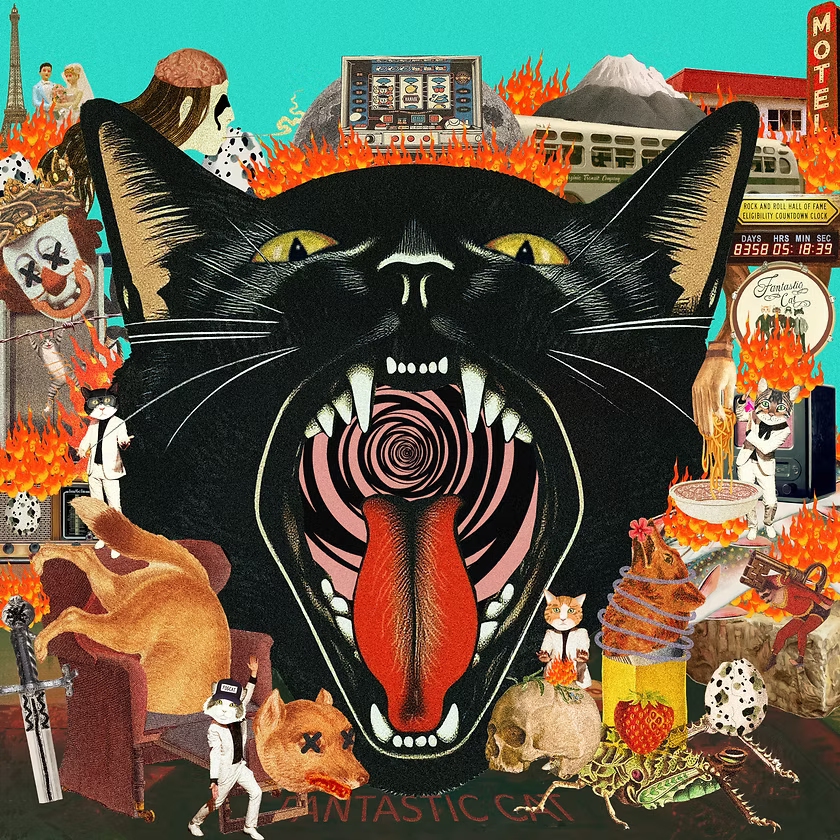
Fantastic Cat’s whole trick is that it looks like a lark until the songs start landing. Cat Out of Hell keeps the group’s loose, funny, self-aware frame, but the material underneath is sturdier and more lived in. Titles like “Donnie Takes the Bus,” “The Waiting Room,” “Elevator,” “Don’t Let Go,” and “Spoke to God a Lot Last Year” point toward transit, delay, faith, panic, and ordinary modern wear-and-tear. Early coverage hears the same thing in different words: this is a folk-rock record full of camaraderie and craft, but also one that wrestles openly with doubt, connection, and the messy job of staying human without going overboard.
Then
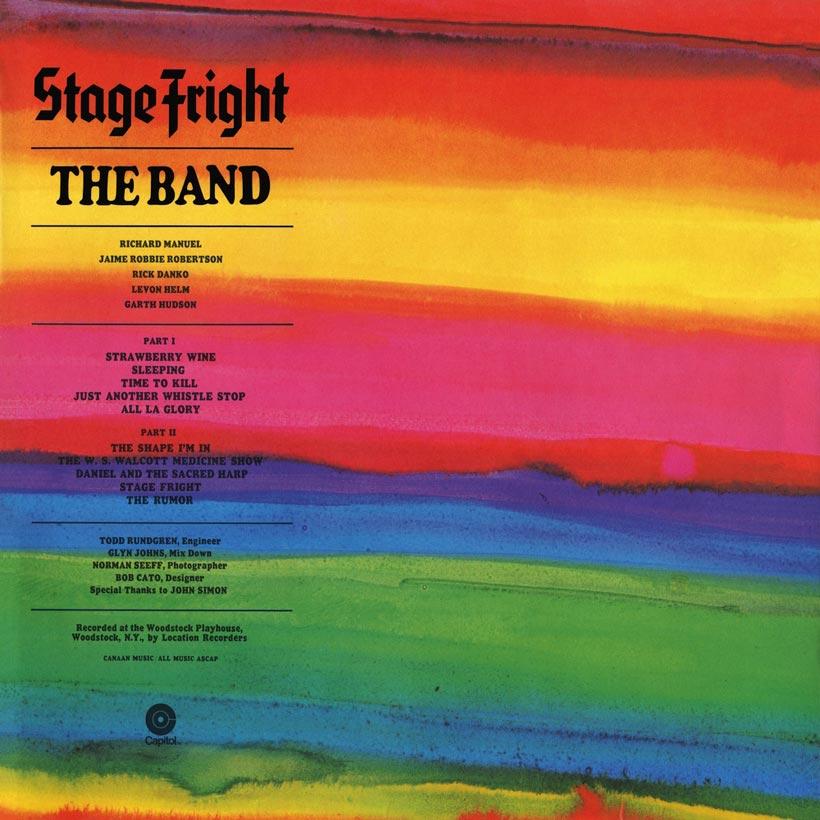
The Band’s Stage Fright, released in 1970 as the group’s third album, arrived when their rustic mystique had already curdled into pressure. The songs still moved with that famously earthy ease, but the mood was more exposed, more rattled, less front-porch myth and more backstage pulse check. “The Shape I’m In” and the title track remain the obvious signposts, not just because they are great, but because they show how The Band could make anxiety sound playable, even catchy. It is a record where ensemble grace keeps brushing up against private strain.
Parallels
That is the bridge to Fantastic Cat. On both albums, no single frontperson is the whole story. Voices rotate, songs feel passed around rather than delivered from a podium, and the arrangements stay grounded in the idea that a band should sound like people in a room solving the tune together. Cat Out of Hell updates that model with a modern singer-songwriter looseness and some sharper comic timing, but its core move is old and durable: put vulnerable material inside sturdy, communal songcraft. That is exactly the lane Stage Fright helped widen, where warmth and unease are not opponents but roommates.
Breaks
The difference is temperament. The Band often sounded like gravity happened to them by accident, while Fantastic Cat walks in already aware that the absurdity is part of the plot. Their cat-banner branding, group banter, and present-day Americana framing give Cat Out of Hell a lighter public face, even when the writing cuts deep. Stage Fright is knottier and more inward, with less wink in the mix. Fantastic Cat wants fellowship to feel like a saving habit. The Band sometimes made it feel like a beautiful thing that might not hold through the night.
Liner Notes
So this is not a comparison built on surface resemblance or vintage cosplay. Stage Fright showed how a roots-minded band could sound collective without becoming anonymous, and how songs about pressure could travel on grooves warm enough to invite you in anyway. Cat Out of Hell carries that idea forward with four writers, four singers, strong hooks, and a grown-up sense that jokes are sometimes just another way of keeping the engine from overheating.
 About the author: Gainesville, FL area creative by day. Music is my muse. I host Twangville’s weekly Readers‘ Pick.