
Charley Crockett’s Age of the Ram arrives as the third and final entry in his Sagebrush Trilogy, a 20-song, 45-minute set built around the outlaw figure Billy McLane and cut again with Shooter Jennings in Los Angeles. The obvious move would be to compare it to some other modern revivalist country record, but Crockett is aiming farther back than that. This album is trying to turn country songs into a movie, or maybe into the memory of one, and that points straight to Marty Robbins’ Gunfighter Ballads and Trail Songs, the 1959 western cornerstone that helped teach later songwriters how to make myth feel personal.
Now
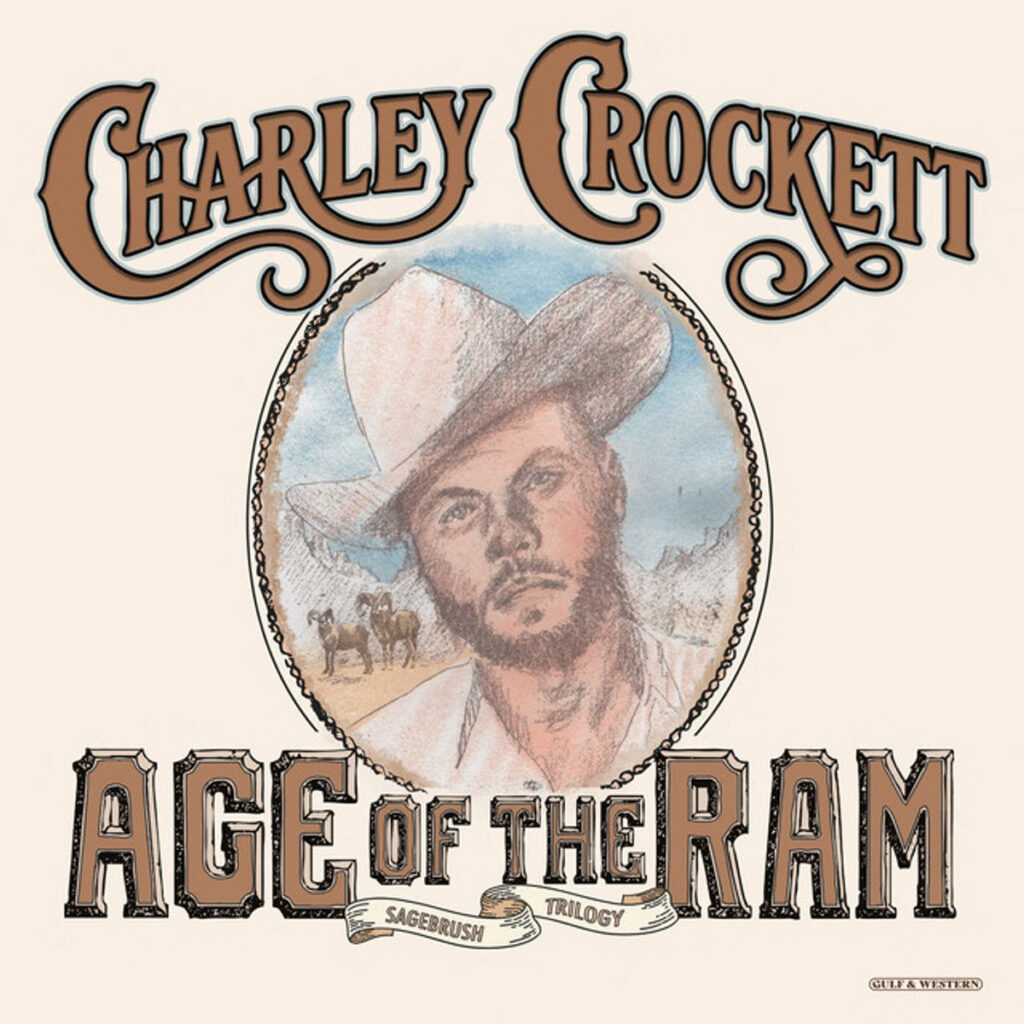
On Age of the Ram, Crockett leans into what he already does better than almost anyone working this lane: talk-sing charisma, old-school band feel, and a cool-headed sense that the song is always more important than the fuss around it. Apple Music’s notes on the record describe film reels, horses, gunfights, recurring themes, honky-tonk turns like “My Last Drink of Wine” and “Fastest Gun Alive,” funkier cuts like “Kentucky Too Long” and “Cover My Trail Tonight,” and bare sketches such as “Border Winds” and “Remembering Pat.” That blend matters. Crockett is not just dressing up in western imagery. He is using reprises, scene-setting sounds, and a rangy set of moods to make the whole thing play like a dusty outlaw serial with a deep pocket rhythm section.
Then

Robbins’ Gunfighter Ballads and Trail Songs did a similar trick in an earlier language. Released in September 1959, it turned cowboy songs into vivid little films, with “Big Iron,” “El Paso,” “Billy the Kid,” and “Running Gun” carrying plot, place, danger, and heartbreak in clean, unfussy frames. The Library of Congress notes that the 12 songs were recorded in a single eight-hour session, and that “El Paso” grew into a crossover smash while the album itself became part of the National Recording Registry decades later. What lasts is the economy. Robbins did not overplay the frontier. He just walked you into it and let the dust do the rest.
Parallels
The lineage is almost too neat. Crockett’s Billy McLane was first imagined in Robbins’ 1963 song “Old Red,” and Age of the Ram openly builds from that seed. Both albums favor archetypes over autobiography, but both work because the singers sound like they believe every mile of road in front of them. Both use plainspoken vocals, sharp melodic hooks, and arrangements that stay mobile rather than ornamental. And both understand that western music works best when the stakes are simple and high: love, lawlessness, regret, escape, one last wrong turn before sundown. Robbins gave country a template for cinematic compression. Crockett updates it without sanding off the grit.
Breaks
Where Crockett breaks from Robbins is in feel. Robbins was cleaner, more formal, almost courtly even when the bullets flew. Crockett is looser and grease-streaked, bringing in soul, R&B, and bar-band motion that makes parts of Age of the Ram swagger where Robbins’ record glides. He is also less committed to tidy narrative closure. Reviews of the new album keep returning to its collage quality, the way concept and groove share the wheel. Robbins built a classic western. Crockett makes something more like a half-remembered drive-in print with the soundtrack turned up and a little smoke in the projector.
Liner Notes
Gunfighter Ballads and Trail Songs helped define how country could mythologize the West without losing melody or momentum, and Age of the Ram takes that old grammar and speaks it in Crockett’s own Gulf-and-Western accent. If Robbins gave us the clean-drawn gunfighter silhouette, Crockett gives us the same figure after a few bad decades, some bus station coffee, and one more reason to keep riding.
 About the author: Gainesville, FL area creative by day. Music is my muse. I host Twangville’s weekly Readers‘ Pick.