Drayton Farley’s A Heavy Duty Heart arrives like the sound of a songwriter stepping out of the dim room and into the bandstand without giving up the bruises that got him there. Released March 27, 2026, the record was cut live to tape in Nashville with his touring band and produced again by Sadler Vaden, which matters because these songs are still built on Farley’s plainspoken honesty, but they now hit with more lift, more room, and more faith in momentum. For the “Then,” Son Volt’s Trace from 1995 makes the most sense. Not because Farley sounds like Jay Farrar, but because Trace helped define how alt-country could carry working-class weariness, road-dusted poetics, and rock-band force in the same frame.
Now
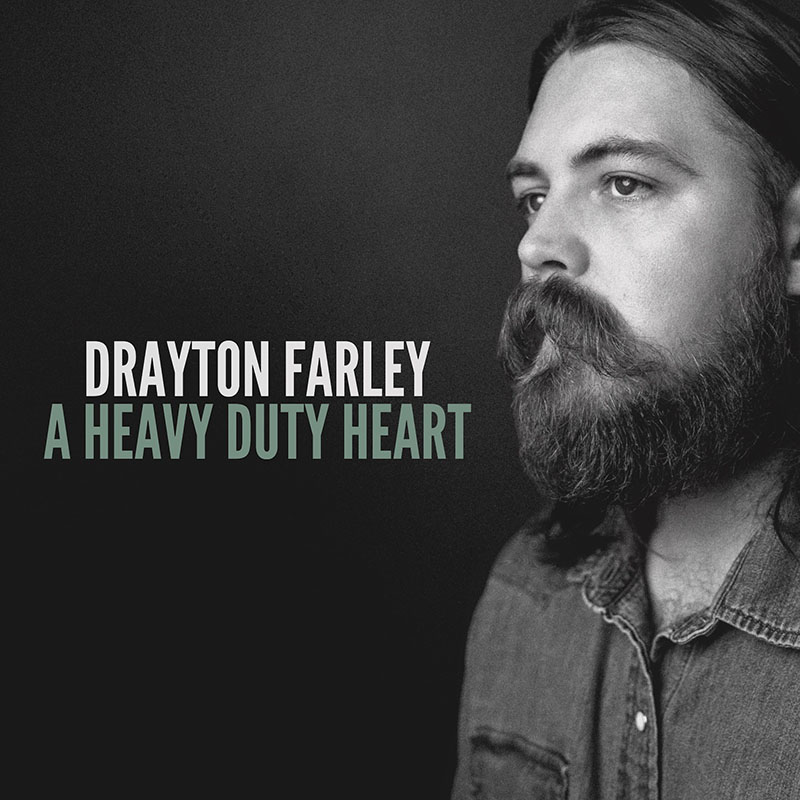
Farley’s new album is 10 songs, all solo-written, and the titles alone tell you where his head is: “It’s Called Doubt,” “I’ll Hold You,” “I Need Your Love,” “Dream Come True,” “The Luckier Ones.” That is less barstool fatalism than a guy trying to build a life sturdy enough to survive his own mind. The live-to-tape setup keeps the performances human and unbuffed, while the Vaden production gives the songs a broader roots-rock frame than pure coffeehouse confession. Even when Farley leans tender, he does it with a blue-collar heft that fits a catalog built on saying the hard part out loud.
Then
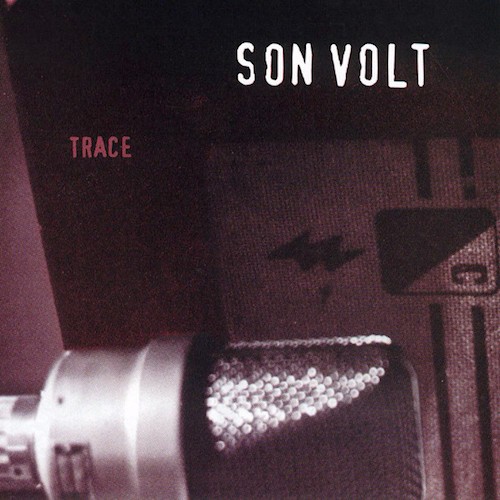
Trace was Son Volt’s 1995 debut, the record that helped turn the post-Uncle Tupelo split from fan gossip into a new map for alt-country. Jay Farrar sang like he had already seen the weather report and did not care to sugarcoat it, while the band balanced acoustic grain, electric churn, and just enough pedal steel to keep the highway lines shimmering. Songs like “Windfall,” “Tear-Stained Eye,” and “Drown” made room for drift, regret, and motion without becoming precious about any of it. It was a roots record, yes, but also a rock record made by adults who understood that hope usually shows up with dirt on its boots.
Parallels
The link between these albums is not mood so much as method. Both trust the grain of the voice over vocal polish. Both use arrangement as reinforcement over decoration. Both understand that a song about doubt lands harder when the band sounds like it has actually lived through some. Farley’s “It’s Called Doubt” and “The Way It Goes” sit in the same lineage as Trace cuts that let unease ride shotgun instead of turning it into theater, while love songs such as “I’ll Hold You” and “I Need Your Love” benefit from the same no-frills emotional directness that made Farrar’s writing hit. This is the long reach of Trace: it showed that roots music could stay literate, lean, and road-worn while still feeling big enough for a full band.
Breaks
Farley is warmer than Farrar, and that matters. Trace often moves like a man staring through the windshield, braced for another gray county line. A Heavy Duty Heart still has ache in it, but it reaches more openly for connection, gratitude, and domestic stakes. Farley’s writing is less elliptical, more conversational, and the album’s center of gravity tilts toward love and hard-won steadiness rather than existential mileage. So this is descendant-as-proof that the form can soften at the edges without losing backbone.
Liner Notes
There is a whole Southern and Midwestern road between these two records, and Farley is walking it in his own boots. Trace helped establish the grammar: the weathered vocal, the unshowy band, the small details that make ordinary lives feel epic. A Heavy Duty Heart speaks that language fluently, then adds a little more light and a little more reach. Which is another way of saying Son Volt built the bridge, and Drayton Farley is using it to haul something personal across. Heavy duty, sure. But still a heart.
 About the author: Gainesville, FL area creative by day. Music is my muse. I host Twangville’s weekly Readers‘ Pick.