
Some self-titled albums feel like a debut all over again. Others feel like a band planting a flag after years on the road. The Steel Wheels’ The Steel Wheels lands somewhere in between, sounding like a group confident enough to reintroduce itself without pretending it has become something entirely new. That makes The Jayhawks’ 1995 Tomorrow the Green Grass a useful “Then” match: another record by a roots-minded band that widened its reach without losing its center.
Now

The Steel Wheels sounds like a mature band resisting autopilot. The group still works from the familiar bones of acoustic roots music, but the record feels roomier and more reflective than a strict string-band exercise, with songs that look at modern life, memory, stubbornness, and community without turning preachy. What stands out most is the balance between lived-in musicianship and restlessness. The album feels grounded, but not settled.
Then
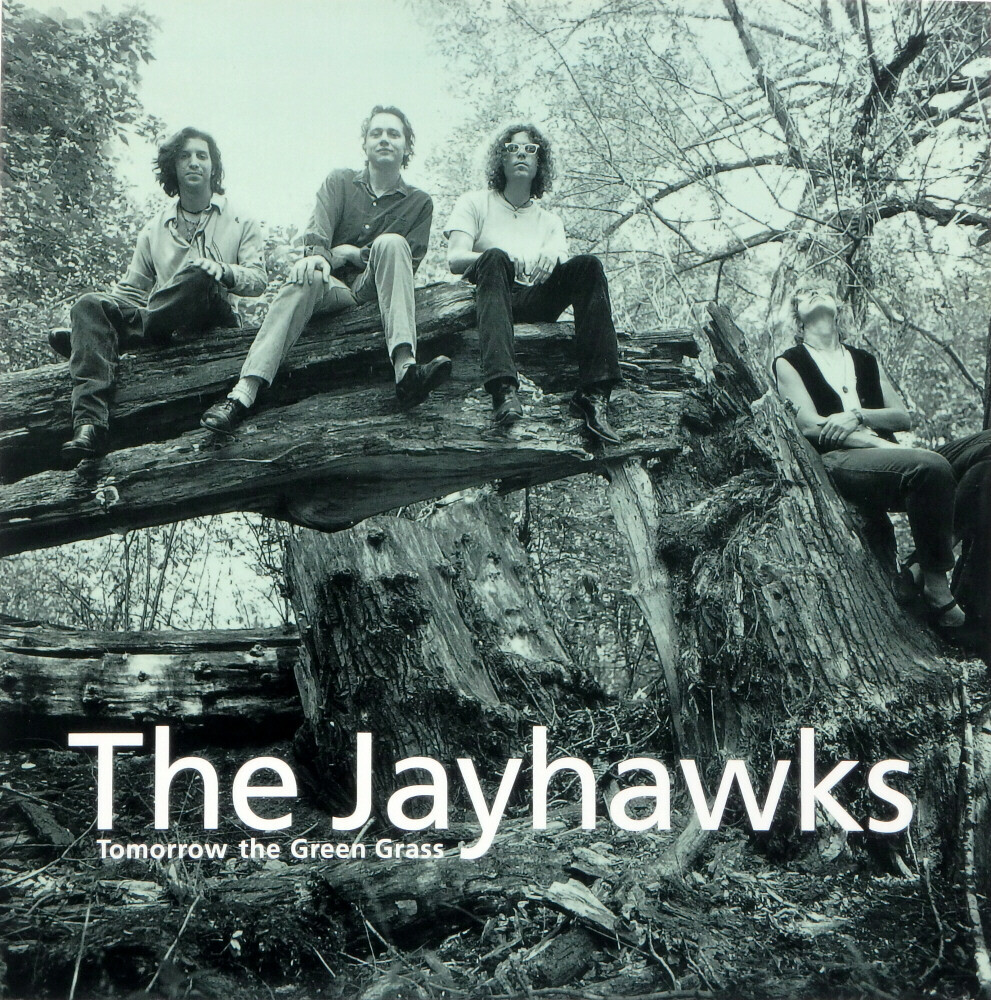
Tomorrow the Green Grass was one of those records that quietly expanded the vocabulary of roots rock in the mid-90s. The Jayhawks kept the harmonies, the heartache, and the country-rock pulse, but they let the songs bloom into something bigger and more melodic, more atmospheric, and a little more ambitious than genre purists tend to like admitting. It helped show that sounding rooted did not require sounding limited.
Parallels
Both albums are built on the idea that harmony is not just a nice extra. It is the emotional engine. In each case, the singing softens the edges of songs that might otherwise feel heavy, and it gives the records a sense of shared purpose even when the writing turns inward. They also share a willingness to stretch the frame. Neither band treats roots music like a museum exhibit. They treat it like a foundation sturdy enough to build another floor on.
Breaks
The difference is in temperature and angle. The Steel Wheels feel more communal, more like a band thinking in a circle, with songs that speak pretty directly to present-day anxieties and everyday moral wear-and-tear. The Jayhawks, by contrast, often sound more private and dreamy, with melancholy arriving through shimmer and suggestion rather than plainspoken reflection. One record leans toward conversation. The other leans toward reverie.
Liner Notes
What connects these two albums is less direct influence than shared permission. Tomorrow the Green Grass helped make room for roots-based bands to grow without apologizing for it, and The Steel Wheels sound like beneficiaries of that wider lane. Their self-titled album works because it does not chase reinvention for its own sake. It just keeps the form open, which is often the smarter move. Sometimes the best way forward is not to blow up the house. It is to knock out a wall and let in more light.
 About the author: Gainesville, FL area creative by day. Music is my muse. I host Twangville’s weekly Readers‘ Pick.