
Some records show up as a comeback, some as a coronation. Released posthumously, Forever arrives with a sadder kind of gravity, but it does not feel hushed or fragile from the outside. Even the title has a little swagger. So do the songs gathered under it. McHenry’s work always carried that useful contradiction, where the voice could sound world-weary and ready to laugh at the same time, and where a tune could feel lived-in without ever slumping into the sounds of a polite singer-songwriter.
That is why Neko Case’s Furnace Room Lullaby makes sense as the “Then” pick. Released on February 22, 2000, it helped sketch a lane for roots-leaning records that were sharp-edged, unsentimental, melodic, and entirely uninterested in behaving themselves for genre gatekeepers. McHenry and Case are not too closely aligned, and that is part of the point.
Now
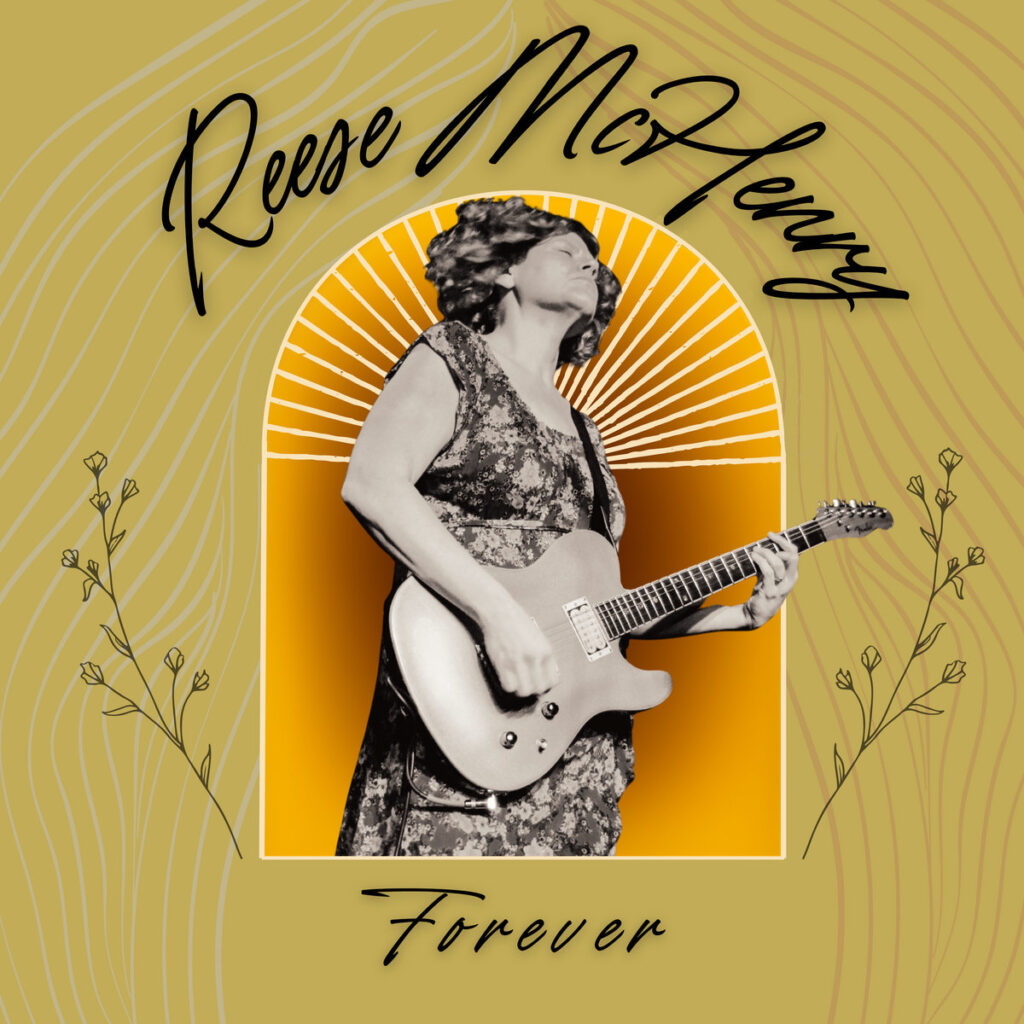
Bandcamp describes Forever as a collection of McHenry’s final recordings, along with previously unheard material from the last decade of her life and career. That framing could have made the album feel archival in the fussy, dust-the-curio-cabinet sense. Instead, the impression is of a living, kicking band record that still wants to keep the accelerator down. The songs posted with the release, including “I Do What I Want,” “No Dados,” and “Mississippi Blue,” suggest the same mix McHenry was known for: rock and roll backbone, garage-club energy, and a roots instinct that keeps the songs from turning into mere riff delivery systems.
McHenry’s orbit also reached well beyond Chapel Hill. She was a close friend and frequent musical running mate of Lydia Loveless, a longtime friend of Twangville, which only underscores how deeply connected she was to the wider roots-rock world. That matters here because Forever does not play like an isolated local artifact. It feels connected to a larger community of songwriters who value bite as much as beauty, and who understand that a little mess in the bloodstream is often good for the music.
Then
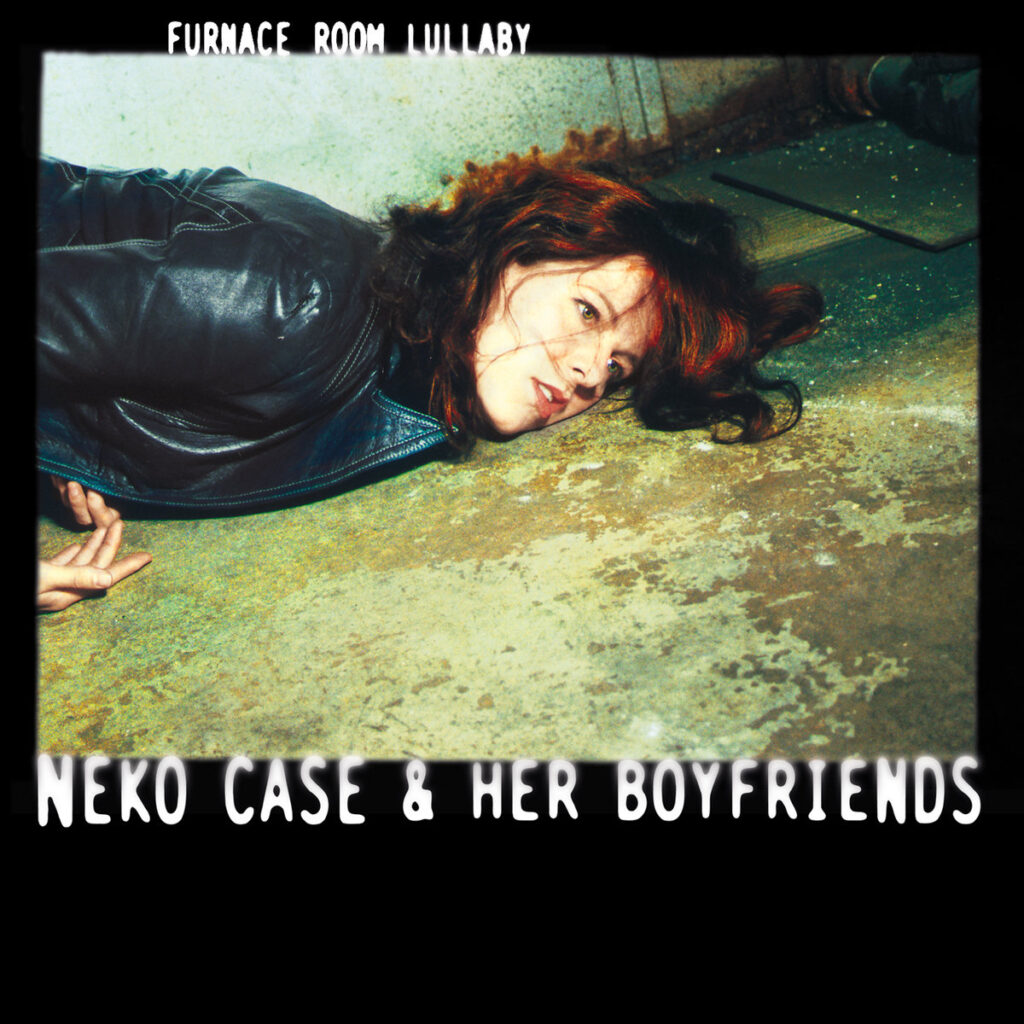
Furnace Room Lullaby sits early in Neko Case’s catalog, but it already sounds like somebody drawing a tougher map for alt-country. The track list alone tells you plenty: “Set Out Running,” “Guided By Wire,” “Mood to Burn Bridges,” “Twist the Knife,” “Thrice All American,” and the title cut. These are not songs trying to charm you into calling them “timeless.” They have elbows.
What Case did so well on that record was widen the emotional vocabulary of the form without sanding off its physical force. The arrangements could nod toward country and rockabilly, but the mood was darker, stranger, and more inward than the revivalist version of roots music that was floating around at the time. Critics looking back at the album have rightly heard it as a turning point toward a more somber, personal, and lyrically pointed kind of record.
Parallels
Both records make room for a singer who sounds like she means every word before you even parse the lyric. McHenry’s appeal was never about prettiness in a vacuum. It was about force, personality, and the sense that humor and hurt were arriving in the same breath. That is one of the strongest links to Case on Furnace Room Lullaby, where the singing does not sit atop the songs. It drives them. You can hear that same logic in the title and stance of a song like “I Do What I Want.”
Neither album treats tradition like a museum shift. Case’s record used country forms while keeping the tension, tempo, and occasional menace of punk-adjacent sensibilities. McHenry’s music comes from a garage-rock end of the bar, but it keeps finding its way toward blues, twang, and plainspoken songwriting. The family resemblance is in the refusal to separate toughness from craft. These are records made by people who know that a hook lands harder when it has a little road grit on it.
Breaks
McHenry’s wit seems more likely to flash openly. Even just from the titles on Forever, there is a front-footed irreverence in the room. Case, on Furnace Room Lullaby, often works in a more shadowed register, with noir moods and lonely-highway atmosphere taking up more space. Both can cut, but McHenry tends to grin while doing it.
There is also a scene distinction. Case’s album arrived as alt-country was still hardening into a recognizable national lane. Forever comes out of a deeply local, community-rich ecosystem and carries the feeling of fellow musicians helping finish the conversation. One record helped build the road. The other reminds you that roadwork is part of the art.
Liner Notes
The value in this pairing is not that Reese McHenry sounds like Neko Case. She does not. The value is that Furnace Room Lullaby helped establish a durable truth for this corner of American music: women could make roots records that were jagged, funny, bruised, loud, and emotionally exact without asking anybody to clean them up first. Forever sounds like it belongs to that freedom.
And that makes Forever especially moving. It is a final release, yes, but it does not feel like a sealed document. It feels like a hand still on the amplifier, still turning the knob a little to the right. That is about as good a legacy as a rock and roll record can ask for.
 About the author: Gainesville, FL area creative by day. Music is my muse. I host Twangville’s weekly Readers‘ Pick.