
Duets are relationship counseling with better suits. Two people, one microphone, and a shared agreement to tell the truth in public as long as it rhymes.
Melissa Carper and Theo Lawrence understand the assignment. Their debut duo album Havin’ A Talk leans into the oldest trick in country music: make the song a conversation, then let the conversation become the plot.
Now
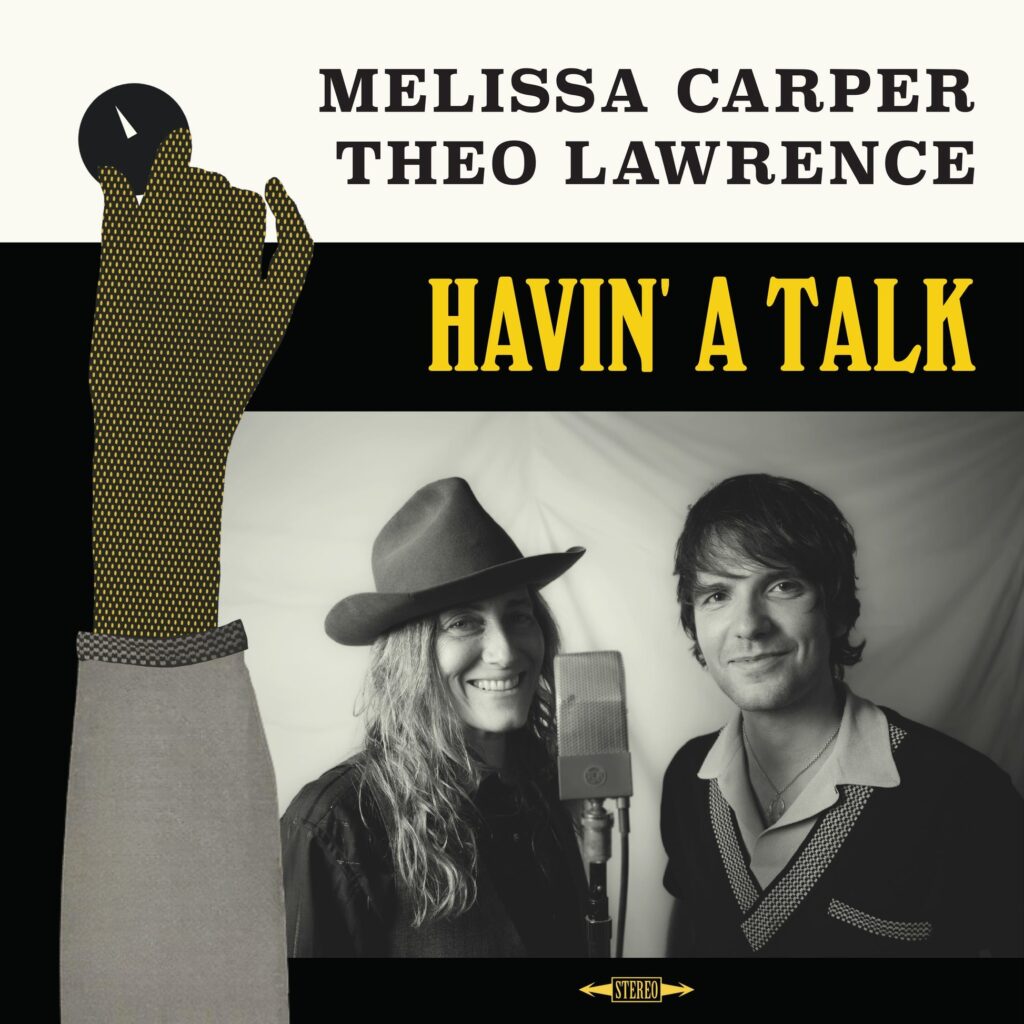
Havin’ A Talk (released Feb. 6, 2026) is built like a front-porch argument that keeps accidentally turning sweet. It’s explicitly “vintage Americana-style” in the best way: not cosplay, more like fluent conversation in an older dialect.
The tracklist tells you what kind of night you’re in for: “All Fifty States” and “Dat Ain’t Right” sound like titles that come with a side-eye; “The Way I Remember You” and “You’re Forgiven My Love” show the softer underbelly; “Thank You, But No Thank You” is a boundary-setting masterclass you can dance to.
The project was recorded at Nashville’s Bomb Shelter with producer Andrija Tokic, with a crew that includes Chris Scruggs, Billy Contreras, and Matty Meyer in the mix. And the aesthetic, at least as described on the single “You’re Forgiven, My Love,” is classic Nashville warmth: piano, guitar shimmer, upright bass, brushed drums, and a “sweetly melancholic” fiddle line tying a bow on the whole thing.
Most importantly, the album understands that the duet isn’t just two singers. It’s a third character: the space between them.
Then
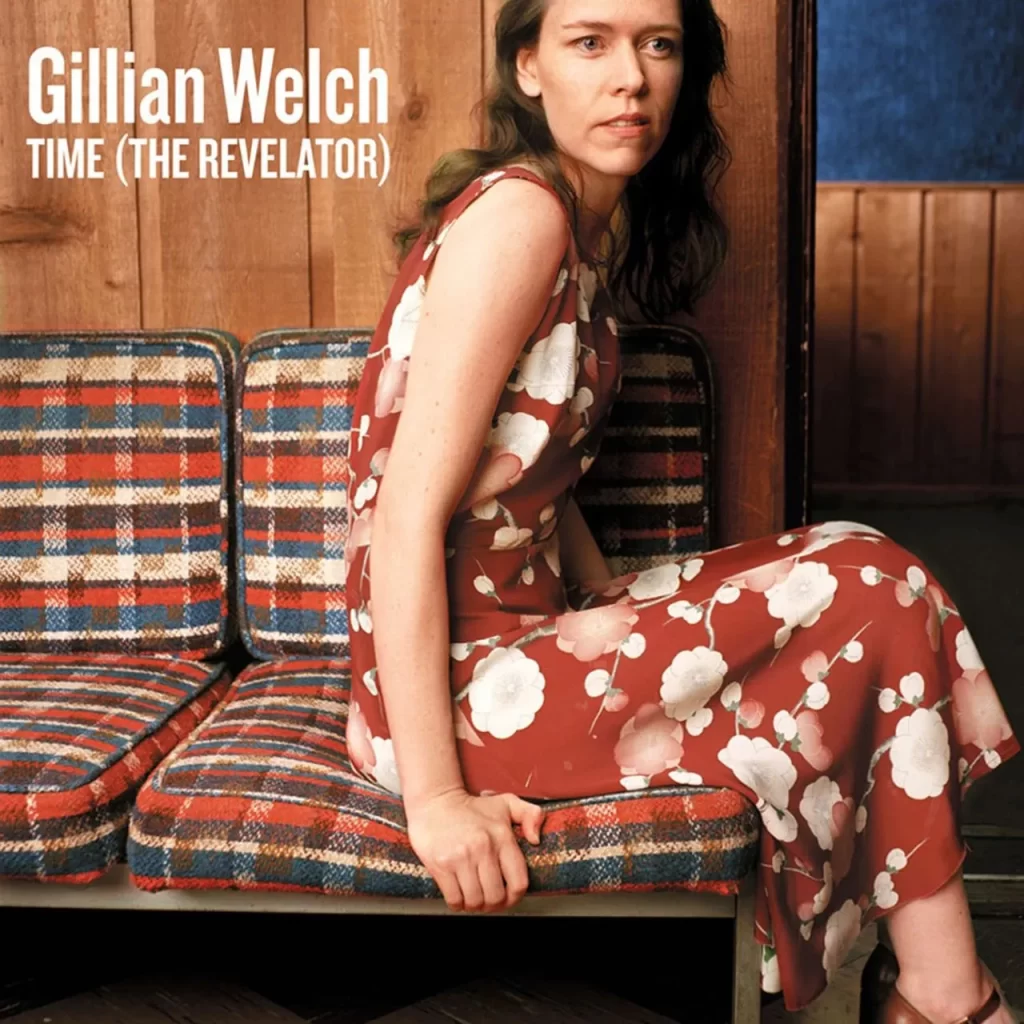
Gillian Welch’s Time (The Revelator) (2001) is not a “duets album” on the cover, but it behaves like one in the room. Welch and David Rawlings wrote together, Rawlings produced, and the record’s emotional force comes from two musicians thinking in the same sentence.
Recorded at RCA Studio B in Nashville, it’s famously unflashy on purpose: voice, strings, air, and the particular kind of quiet that makes you lean in. Songs like “Revelator,” “Red Clay Halo,” “Everything Is Free,” and “I Dream a Highway” don’t chase modernity. They haunt it, politely.
Back in 2001, Time (The Revelator) helped codify a lane that a lot of later Americana would drive through: traditional forms, recorded like a document, with writing sharp enough to draw blood even when nobody raises their voice.
Parallels
The conversation is the engine
Carper and Lawrence make the duet’s push-pull explicit. “All Fifty States” is described as a genial disagreement between a restless dreamer and a stay-close homebody, which is basically the classic country duet template, freshly ironed. Welch and Rawlings do a quieter version of the same thing: the tension lives in how the parts lock together and how often the songs refuse neat closure.
Old forms, live nerves
Both albums treat “traditional” as a method, not a museum. Havin’ A Talk nods to the lineage of famous duet partners, and it’s not shy about it. Time (The Revelator) pulls from gospel and folk storytelling without turning into a history lecture, which is why it still feels current decades later.
Humor with a bruise underneath
Carper and Lawrence can be “sometimes hilarious” while still letting loneliness peek through the cracks. Welch’s humor is dryer and darker, but it’s there, especially in the way a line can turn a whole song sideways. Different delivery, same instinct: let the listener laugh, then make them wonder why.
Breaks
Front-and-center duet theater vs. inward mythology
Carper and Lawrence play the roles clearly: he-sings, she-sings, then the sparks. Welch’s world is more solitary and symbolic, even when Rawlings is right there. The drama is internal, like a diary written in biblical imagery.
Band color vs. stripped frame
Tokic and the Bomb Shelter cast suggest a richer, band-in-the-room palette, with swing and Nashville gloss available when the songs want it. Revelator is a study in restraint: fewer moving parts, more weight per note.
Era-specific stakes
Time (The Revelator) carries early-2000s anxieties about music’s value (“Everything Is Free” is the famous flare shot). Havin’ A Talk feels like a 2026 answer: in a noisy age, make the human exchange the headline again.
Liner Notes
If you want the elevator pitch for Havin’ A Talk, start with the triangle: “All Fifty States” (the debate), “Dat Ain’t Right” (the snap), “You’re Forgiven My Love” (the soft landing).
Then play Time (The Revelator) like you’re reading by lamp light: “Revelator” to open the door, “Red Clay Halo” for the ache, “Everything Is Free” for the cold truth.
 About the author: Gainesville, FL area creative by day. Music is my muse. I host Twangville’s weekly Readers‘ Pick.