
Some records arrive like a letter you weren’t supposed to read. You can tell it’s private because the handwriting wobbles a little, and because it tells on its author in small, unglamorous ways.
Courtney Marie Andrews has always been good at that kind of honesty, the kind that doesn’t ask for applause. On Valentine, she sounds like she’s trying to keep her footing while the room is gently tilting.
And when a modern singer-songwriter makes “love vs. limerence” the headline and actually follows through, my brain goes looking for an earlier map. In this case, it points to a 2006 record that made “country-noir” feel less like a genre tag and more like an atmospheric condition.
Now
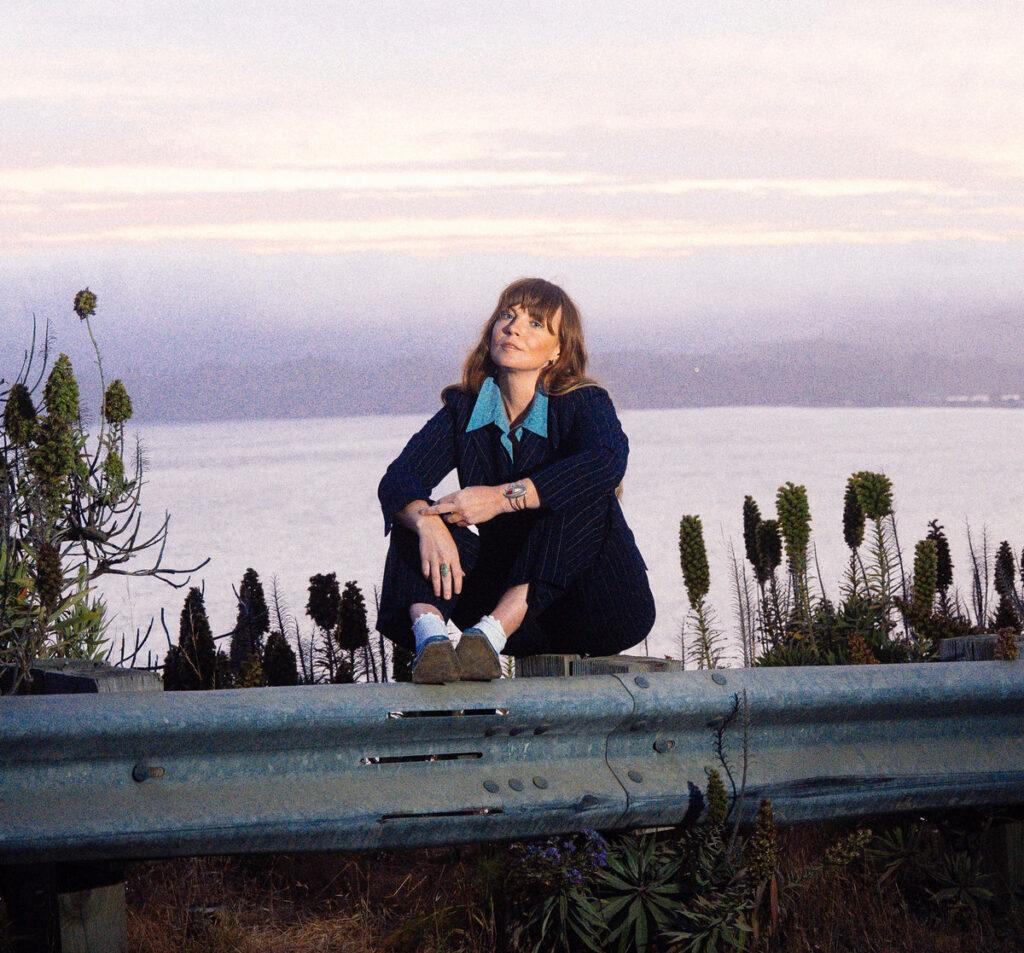
Valentine (released Jan 16, 2026) is built around the weight of wanting, not the fireworks of getting. The opener “Pendulum Swing” sets the tone right away: Andrews’ voice climbs and hangs there, equal parts poise and bruise.
The tracklist reads like a series of emotional snapshots: “Keeper,” “Cons and Clowns,” “Magic Touch,” “Little Picture of a Butterfly,” “Outsider,” “Everyone Wants to Feel Like You Do,” “Only the Best for Baby,” “Best Friend,” “Hangman.” Even without leaning on plot, those titles suggest the album’s central dilemma: devotion keeps trying to be a home, and restlessness keeps leaving its shoes by the door.
Production-wise, early write-ups point to a mostly restrained palette with selective color bursts: vintage-leaning synth touches, ambient accents (including Andrews playing flute on “Little Picture of a Butterfly”), and layered harmonies that feel like second thoughts echoing back. It’s not maximal. It’s intentional. The quiet parts do real work.
Then
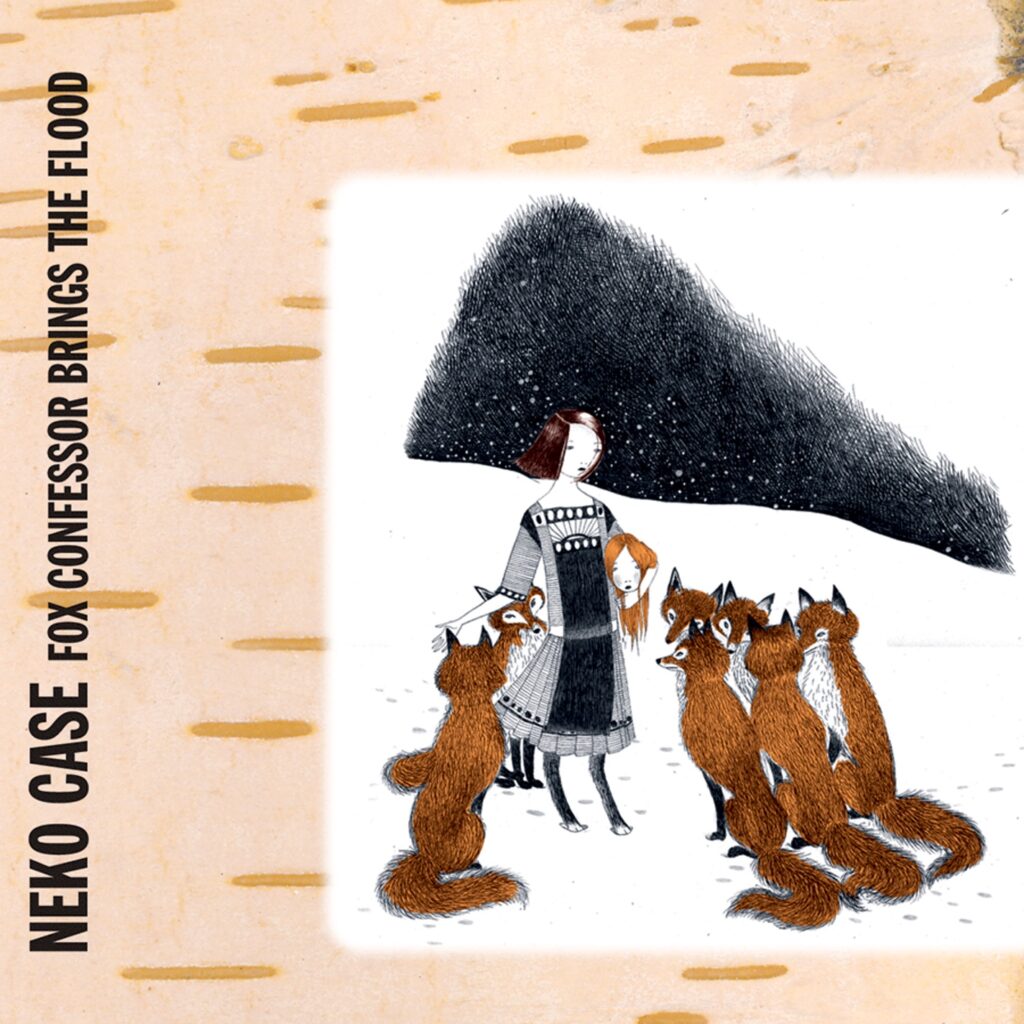
Neko Case’s Fox Confessor Brings the Flood landed in 2006 and gave alt-country a new set of lighting cues: less front-porch sepia, more midnight streetlamp. The songs are vivid, sometimes strange, and often spiritual in that old American way where faith and dread share a pew.
The canon tracks still hit like scenes from a short story collection: “Star Witness,” “Hold On, Hold On,” “John Saw That Number,” “Hex,” “Fox Confessor Brings the Flood.” Recorded largely in Tucson, it carries a desert stillness even when the arrangements get loud, like the air itself is listening.
Case’s genius on this one is how she sings like she’s both the narrator and the weather. Not “big voice” as a flex. Big voice as a force of nature you either respect or get soaked by.
Parallels
Love as gravity, not glitter
Valentine frames love as weight “with no place to land,” more meditation than breakup diary. Fox Confessor does a similar thing with devotion and doom: feeling becomes atmosphere, not storyline. The shared move is refusing neat closure. Both artists let longing stay unresolved, because that’s the honest version.
Drama in the arrangement, not the diary
Andrews uses subtle left turns, a synth swell here, an ambient tail there, to make interior feelings feel physical. Case and her crew do it with noir-gospel shadows and sharp dynamic shifts, where a song can go from hush to hailstorm without warning. Different tools, same purpose: emotional pressure made audible.
The voice as the thesis statement
Both records lean hard on vocal authority. Andrews can move from quiver to clean belt in a way that sells every line as lived-in. Case, meanwhile, sings like she’s testifying and cursing in the same breath. Neither uses vocal “prettiness” as an end goal. It’s clarity with teeth.
Breaks
Intimacy vs. myth
Andrews’ writing on Valentine tends toward inward reflection and modern relationship language, even when she slips in a few concrete scenes. Case’s world on Fox Confessor is more allegorical and story-shaped, full of signs, omens, and characters you can half-believe in.
Sleek edges vs. rough weather
Valentine is largely a late-night record: controlled, tasteful, and close-mic in spirit. Fox Confessor is more ragged in the best way, willing to sound haunted, crowded, even a little feral. The older record kicks the door; the newer one turns the knob slowly and still scares you.
Modern self-protection
A striking thing in the Valentine coverage is the sense of guarded openness, like Andrews is telling the truth while keeping her address unlisted. Case’s 2006 posture feels less filtered: if the song needs to be ugly, it’s ugly. If it needs to be holy, it’s holy.
Liner Notes
If you want a listening path: start with Andrews’ “Pendulum Swing” into “Keeper,” then jump back twenty years to Case’s “Star Witness,” and let your brain draw the line between them. It’s the same lineage of women using “Americana” as a broad church, not a costume closet.
What Fox Confessor Brings the Flood offered in 2006 was permission: you can make roots music cinematic and unsettling without sanding down the feeling. What Valentine suggests in 2026 is the next step: you can take that same seriousness and render it in soft focus, with modern textures, and still land the punch.
Lineage isn’t imitation. It’s inheritance. Put these two on back-to-back and you’ll hear how the torch changes hands without ever going out.
 About the author: Gainesville, FL area creative by day. Music is my muse. I host Twangville’s weekly Readers‘ Pick.