

Gurf Morlix has spent more than half a century shaping the sound of American songwriting, often from behind the scenes. At 74, he may have stepped back from touring, but his creative fire burns brighter than ever. Since the pandemic, Morlix has entered a prolific streak, writing and recording at a pace that would challenge even the most disciplined artists. “I still write and record every day,” he said. “I used to write eight or nine songs a year. Now it’s 30, sometimes more. I have a studio at home, so I can record them right away. Lately, I feel like I’m in a rhythm, a real flow.”
This urgency is tempered by the awareness of mortality. A decade ago, Morlix suffered a severe “widowmaker” heart attack. “I’m on bonus time,” he reflected. “I realize it every day. I’m thankful I shouldn’t be here, but I am.” That closeness to life’s fragility has seeped into his work, giving his songs a quiet wisdom alongside their emotional immediacy.
Raised outside Buffalo, New York, Morlix dreamed of blending rock and country in a way few in his hometown could match. “I picked up the steel guitar. I wanted to be in a band that played both country and rock. But nobody in western New York was doing that.” In 1975, he and a friend drove to Austin, Texas, drawn by the city’s burgeoning music scene. “Rent was cheap, gigs paid $50. My rent was $53 a month. I played 15 nights a month. It was warm, a college town—it was heaven.”
Austin proved transformative. Morlix found a community of songwriters who would shape his life: Blaze Foley, Townes Van Zandt, Guy Clark, and eventually Lucinda Williams. “I dove heavily into the songwriting scene as a sideman. I was always writing, but being around these people forced me to raise the bar.”
Blaze Foley, the brilliant and tragic Texas songwriter, became a close friend and collaborator. “We met in 1976 or ’77. He was homeless by choice, and I had a home, which he thought was perfect. He lived on my couch for years, and we played hundreds of gigs together. His songs were honest—every line had a reason behind it.” Foley’s murder in 1989, defending a friend, left Morlix heartbroken. “I was so sad, and sort of inevitable, I think. But his songs live on. Every time I go to his grave, there are young people there, guitars in hand, working on a song about Blaze. His career is still ramping up.”
Morlix also became a guiding hand for Lucinda Williams, producing her 1988 breakthrough self-titled album, Lucinda Williams, and leading her band for over a decade. “Some of the songs she writes are lyrical, poetic, heart-wrenching. Making those records was easy because the songs were so good. She’s unique, a complete rebel.” Their collaboration coincided with the birth of Americana as a recognized genre. “There were maybe 20 or 25 acts doing what we did back then. Now there are tens of thousands. It was a special time to be a part of it.”
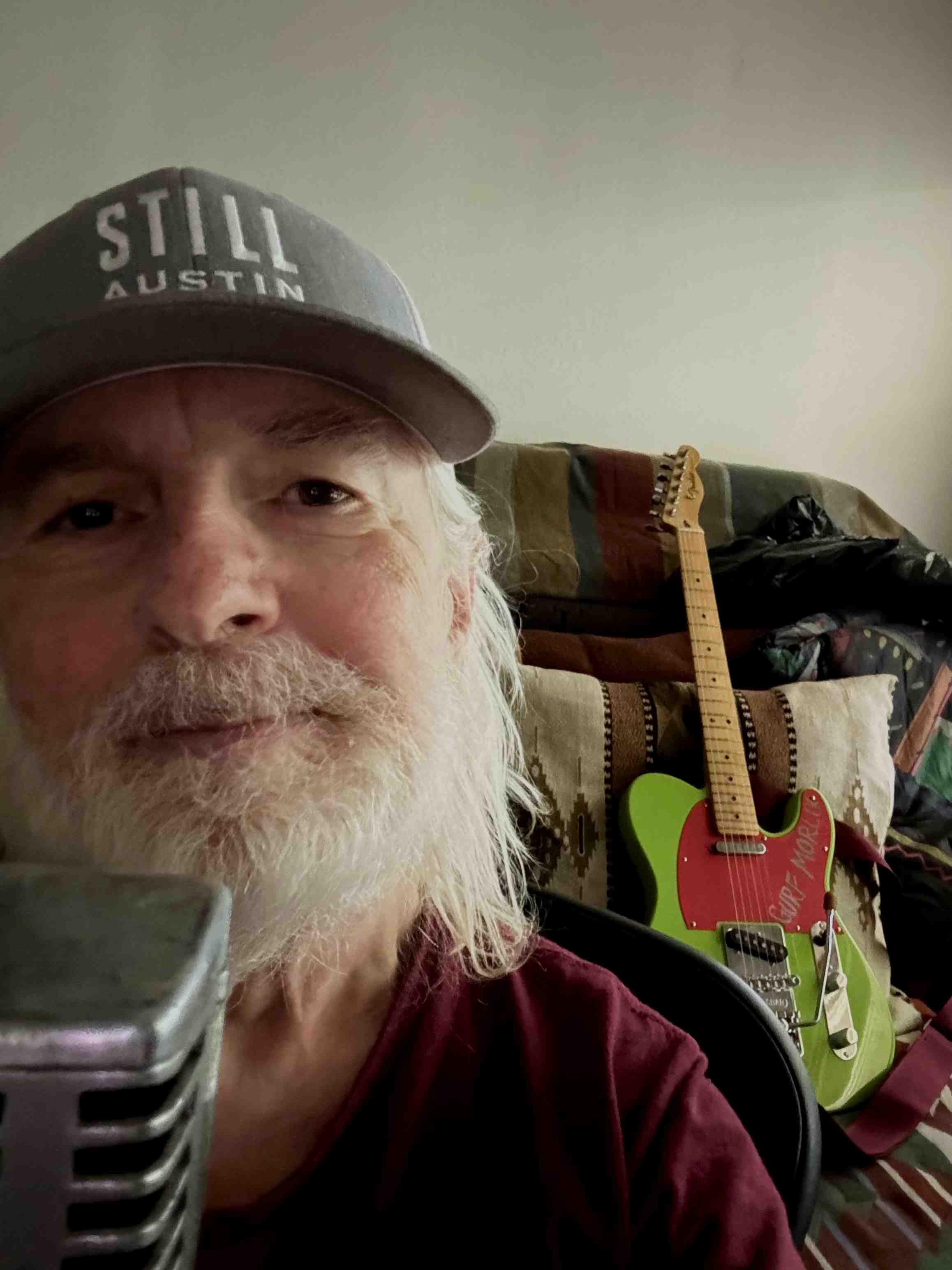
Morlix approaches his craft with the precision of a sculptor. “I write every night. If nothing comes, I take a song I’ve started and work it over. You have to be brave, to bare your soul, and willing to put in the work. The spark has to be there, but then you refine it.” He admires writers like John Prine, Guy Clark, Leonard Cohen, and Bob Dylan, not only for their craft but for the way their words move people with subtlety and grace.
Songs, for Morlix, are immortality. “My parents are gone, and pretty much no one remembers them. But a song or a book lives on. That’s not the goal, but it’s an incredible bonus.” Even the songs that initially go unnoticed find their audience over time, as he saw with Blaze Foley’s “If I Could Only Fly”, covered by John Prine and embraced by generations of listeners.
After COVID, Morlix stopped touring, finding freedom in staying home. “I wished I could just stay put for two weeks, and then I got my wish. I don’t miss airports or hotels, though I do miss talking to people.” With his home studio, he releases albums steadily, exploring themes from the endurance of bristlecone pines to the everyday struggles and triumphs of life. Bristlecone Pine, his latest album, reflects that sensibility: “These trees live for thousands of years. Watching everything around them die, yet still surviving—that’s what I think about. There’s hope in the dark songs. Hope lives.”
Live performance, when it happens, remains intimate and intentional. Venues like Austin’s Cactus Café or small house concerts offer attentive audiences where storytelling and music merge. “It’s a shared experience. We’re a community. I want people as involved in the music as I am. I haven’t played much in six years, but people are still craving real music.”
Over decades, Morlix has worn many hats: sideman, producer, songwriter, solo artist. “I’ve led different lives in 10-year cycles. Each role taught me something, and now I make my own records. I like to think they get better with each one.” He keeps experimenting, even dreaming of “nonsense songs” that capture the sheer joy and absurdity of music.
Ultimately, Morlix’s work is about connection. “When I was performing, my favorite part was talking to the audience afterwards. Many became friends. That’s amazing. I want to communicate. We help each other, support each other. That’s what I’m interested in.”
Gurf Morlix’s music embodies a lifetime of listening, learning, and loving songs that endure. In a career spanning five decades, he has proven that artistry is about more than notes and lyrics—it’s about honesty, humanity, and the hope that the songs we create can outlive us. And with each new album, he continues to write not just for today, but for the people who will find meaning in his work long after he’s gone.
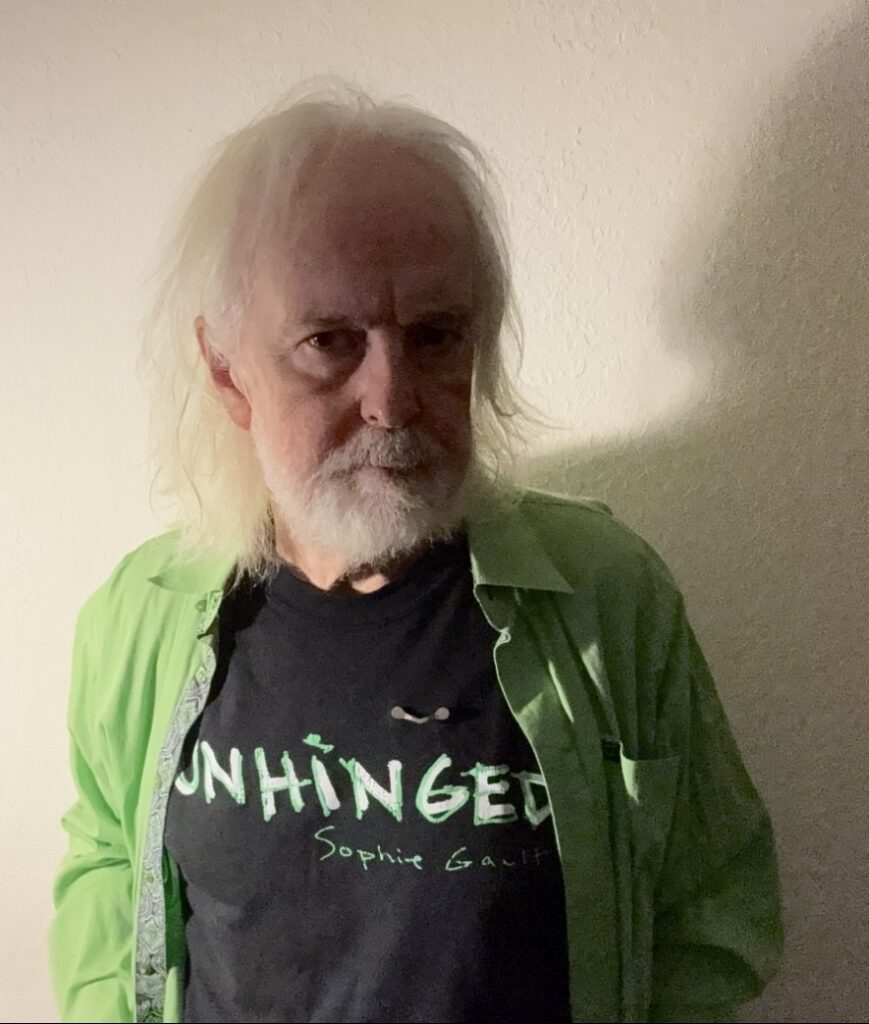
 About the author: A devout lover of singer-songwriters, mountain hikes, colorful cuisine, and eccentric artists, Brian D'Ambrosio lives in Santa Fe, New Mexico. For story ideas and suggestions, he may be reached at dambrosiobrian@hotmail.com.