
Jason Isbell has made a career out of writing songs that feel like they come with fingerprints still on them. Even when the 400 Unit is roaring behind him, you can usually hear the quiet draft underneath.
So it’s wild, and kind of inevitable, that Foxes in the Snow goes all the way back to the source: one voice, one acoustic guitar, no band to hide behind, no cymbal wash to blur the edges.
If you’re looking for the last time a major American songwriter did that and changed the temperature of their whole catalog, you wind up in 1982, in a bedroom in New Jersey, with a four-track and a record called Nebraska.
Now
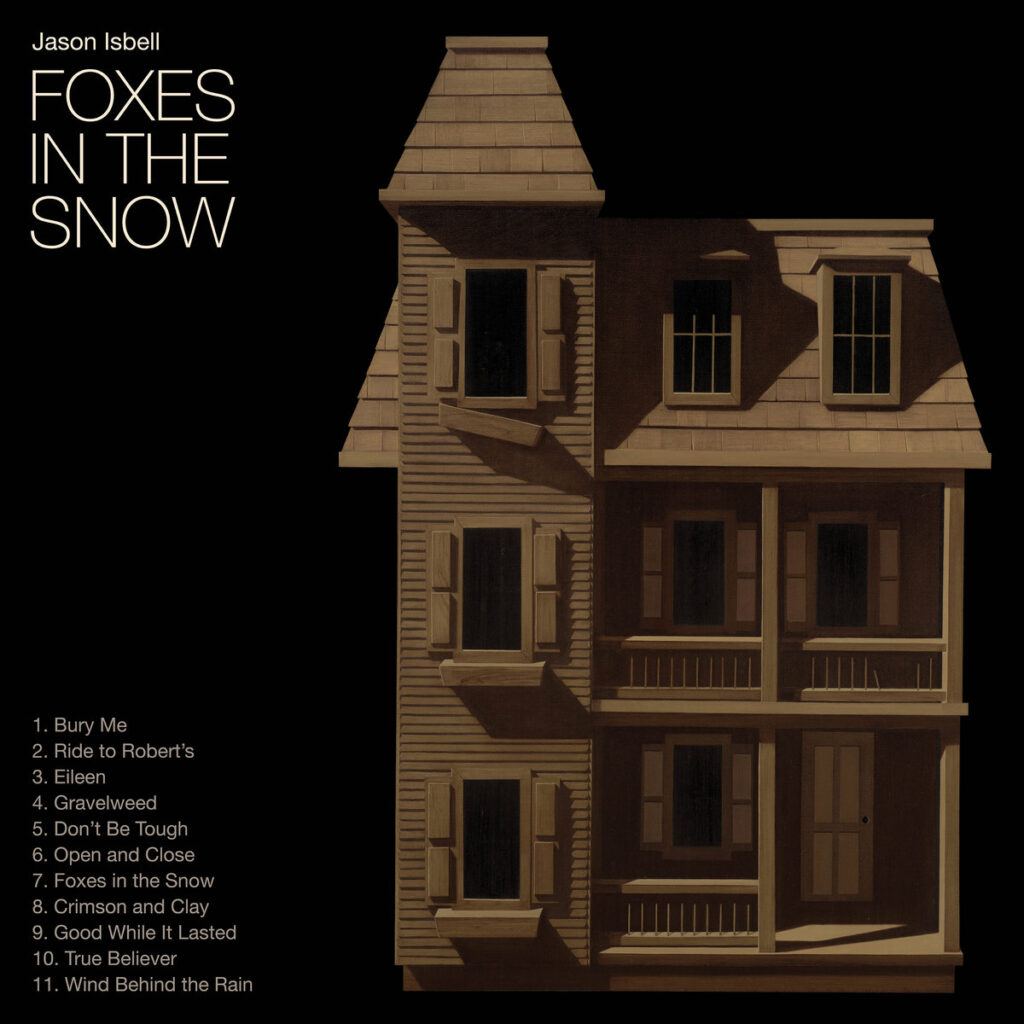
Foxes in the Snow (released March 7, 2025) is Isbell in full close-up: recorded at Electric Lady, credited simply to “Jason Isbell – vocals and guitar,” produced with Gena Johnson, and built to stand on its own two feet without the 400 Unit.
The track list reads like a set of scenes you can picture before you press play: “Bury Me,” “Ride to Robert’s,” “Eileen,” “Gravelweed,” “Open and Close,” “Crimson and Clay,” “True Believer,” “Wind Behind The Rain.”
And the emotional weather is exactly what the title promises. There are breakup songs that try to win the argument, and breakup songs that try to survive the night. “Eileen” and “Gravelweed” live in that second category, where the narrator sounds less like he’s sharpening a knife and more like he’s taking inventory of the damage.
Even when the writing turns outward, the camera stays close. “Ride to Robert’s” is a love song with its boots on, a Nashville afternoon turning into a neon night, and it lands partly because Isbell doesn’t oversell it.
Then
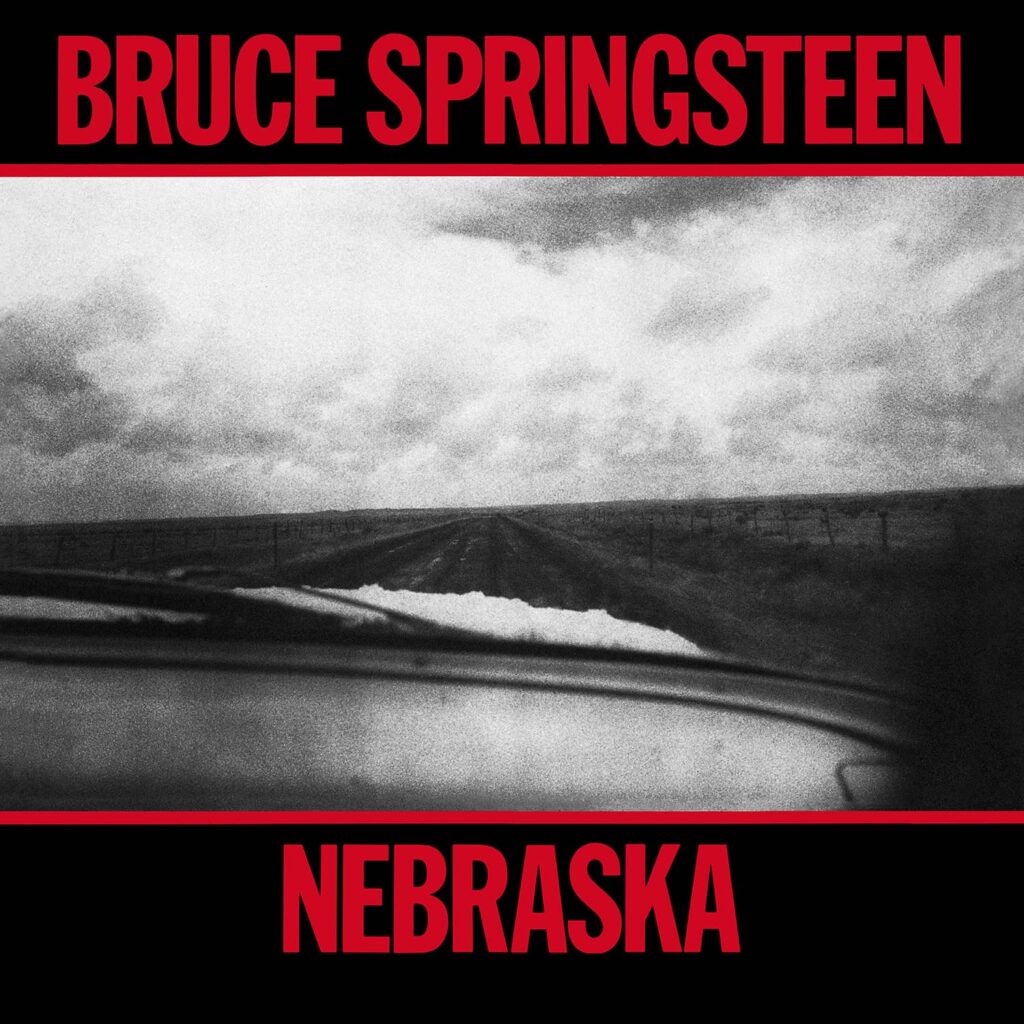
Springsteen’s Nebraska is the classic case of an “accident” that rewires a career: he recorded the songs alone on a four-track at home, planned to redo them with the E Street Band, then released the stark demos anyway because the full-band versions didn’t capture the same spirit.
Where Isbell’s record is hi-fi intimacy, Nebraska is lo-fi dread. But the big move is the same: a songwriter stepping away from their usual machinery and trusting the songs to carry the whole load.
Parallels
1) The bravery is structural.
Both albums make a simple demand: listen to the words. Isbell removes the band entirely. Springsteen removes the studio polish and leaves the tape hiss in the room.
2) Big stories told at speaking volume.
Isbell can still turn a phrase like a novelist, but here he often sings like he’s talking to one person across a table, especially on “Open and Close” and “Good While It Lasted.” Springsteen’s narrators on Nebraska do the same thing, only they’re confessing from the shoulder of the highway.
3) Place is character, not wallpaper.
Isbell’s “Crimson and Clay” is home-state gravity, the kind you can’t shake even when you think you’ve outgrown it. Springsteen’s Nebraska is all bleak roads and hard luck, where geography feels like fate.
4) Moral complexity instead of winners and losers.
On Foxes, the breakup material doesn’t read like a victory lap or a revenge note. “True Believer” is messy, self-aware, and sometimes brutally unflattering. That’s the same human-scale honesty Springsteen uses when he writes criminals and cops without turning either into cartoons.
5) A career reset disguised as a side project.
On paper, these are “stripped-down” records. In practice, they’re statements: “I can still do this with nothing.” And once an artist proves that, you hear everything else differently.
Breaks
Isbell is diaristic; Springsteen is cinematic.
Foxes in the Snow often reads like a personal reckoning in real time. Nebraska mostly speaks through characters, crimes, and distance.
The sound is opposite ends of the same idea.
Isbell’s record was cut at Electric Lady with a modern clarity. Springsteen’s was born as a home demo and stayed that way.
The guitar role changes.
Isbell’s playing is a partner in the storytelling, full of motion and detail. Springsteen’s is more like a flashlight: it points, it doesn’t decorate.
Liner Notes
If Nebraska is the template for “major artist, minor-key truth serum,” Foxes in the Snow is what that template looks like in 2025: the same willingness to stand alone, but with a songwriter who’s learned how to be plainspoken without being simple.
Play them back to back and listen for the shared nerve: the moment where the room gets quiet, the story gets clearer, and you realize the bravest production choice is sometimes just not adding anything at all.
 About the author: Gainesville, FL area creative by day. Music is my muse. I host Twangville’s weekly Readers‘ Pick.